













If you are searching for Clay Jenkins, you are likely trying to understand who he is, what legal authority he holds, and how his actions as a public official affect residents of Dallas County and Texas more broadly. County-level leadership is often misunderstood, yet it plays a critical role in how laws are applied, how emergencies are handled, and how public resources are allocated.
Clay Jenkins serves as the Dallas County Judge. Despite the title, this position is not primarily a courtroom judge role. Instead, it functions as the chief executive authority of county government. Decisions made through this office can affect public safety policy, emergency orders, budgeting, health measures, infrastructure funding, and county administration.
This article explains who Clay Jenkins is, the legal foundation of his authority, how county judge power works under Texas law, and why county-level decisions can carry serious legal consequences for residents, businesses, and institutions.
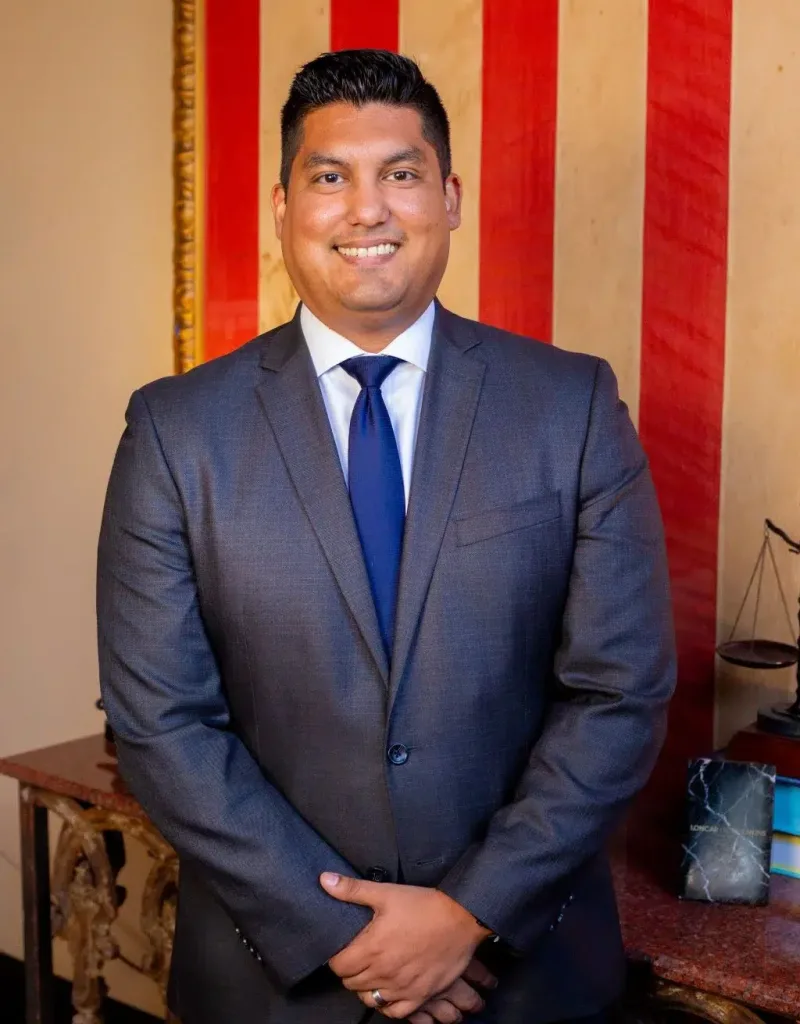
Clay Jenkins and His Role at Loncar Lyon Jenkins
Clay Jenkins plays a central role at Loncar Lyon Jenkins, bringing decades of legal experience and leadership to the firm’s work on behalf of injured Texans. As a founding partner, he helps guide legal strategy, case development, and the firm’s overall advocacy approach, while maintaining a strong focus on accountability and client protection. His background in litigation and public service shapes how the firm prepares complex injury cases, emphasizes ethical representation, and reinforces a commitment to standing up for individuals and families facing powerful insurance companies and corporate defendants.
Who Clay Jenkins is and the nature of his office
Clay Jenkins is the elected County Judge of Dallas County. In Texas, the county judge position is unique and often misunderstood. Unlike district judges or criminal court judges, a county judge does not primarily preside over trials or issue sentences.
Instead, the county judge serves as the presiding officer of Commissioners Court, which is the governing body of the county. The Commissioners Court functions similarly to a county level legislative and executive body combined. It oversees budgets, policies, contracts, infrastructure, and administration.
The county judge acts as the public face of county government and plays a central role in agenda setting, emergency response coordination, and executive leadership. While judicial functions may exist in limited administrative contexts, the position is overwhelmingly executive in nature.
Understanding this distinction is essential. When people search Clay Jenkins, they are often reacting to policies, emergency orders, or public statements. Those actions stem from executive authority, not traditional courtroom judicial power.
Legal foundation of a Texas county judge’s authority
The authority of a county judge in Texas is established by the Texas Constitution and the Texas Local Government Code. These legal sources define both the scope and the limits of county power.
The county judge presides over Commissioners Court meetings, ensuring that county business is conducted according to law. The judge participates in voting on county matters alongside the four elected county commissioners.
The office plays a central role in budget approval, contract authorization, county staffing structures, and long term planning. This authority directly affects how public money is spent and how services are delivered.
In addition, the county judge serves as the chief emergency management authority for the county. During disasters or public emergencies, the county judge may issue declarations, coordinate resources, and implement emergency measures within statutory limits.
While the role carries substantial influence, it is not unilateral power. Authority is exercised within a defined legal framework and is subject to review, challenge, and oversight.
Commissioners Court and collective decision making
A critical aspect of understanding Clay Jenkins’s role is understanding Commissioners Court. The court consists of five members: the county judge and four county commissioners elected from individual precincts.
Most significant county actions require a majority vote of Commissioners Court. This includes budget adoption, major policy decisions, contracts, and infrastructure projects.
The county judge presides over meetings, sets agendas, and influences discussion, but does not act independently of the court. Authority is shared, and legal responsibility for county actions often rests with the court as a collective body.
This structure matters legally because lawsuits challenging county actions often name the county or Commissioners Court rather than the county judge personally. Courts examine whether decisions were properly authorized, voted on, and implemented according to law.
Understanding this shared governance model helps clarify where accountability lies when county actions are disputed.
Emergency powers and statutory limits
One of the most visible aspects of a county judge’s role involves emergency management. Under Texas law, the county judge is designated as the emergency management director for the county unless otherwise assigned.
This authority allows the county judge to issue emergency declarations, coordinate disaster response, manage public resources, and communicate with state and federal agencies during emergencies.
However, emergency powers are not unlimited. They must be exercised within statutory authority, are typically time limited, and must relate directly to the emergency at hand.
Emergency orders may affect business operations, public gatherings, government services, and resource allocation. Because these actions can impact constitutional rights, they are often scrutinized closely.
Courts evaluating emergency actions examine necessity, proportionality, duration, and compliance with governing statutes. This legal scrutiny applies regardless of who occupies the county judge’s office.
County authority versus state authority
County governments in Texas operate as political subdivisions of the state. This means counties do not possess inherent sovereignty. Their authority exists only to the extent granted by state law.
When county policies conflict with state statutes or executive directives, state law generally prevails. Disputes over preemption are resolved by courts interpreting legislative intent and statutory language.
This dynamic explains why county level decisions sometimes face legal challenges from state officials or private parties. The question is not political disagreement but whether the county exceeded its lawful authority.
Clay Jenkins’s actions as county judge are evaluated within this legal hierarchy. Authority flows downward from state law, and courts serve as the final arbiter when conflicts arise.
Legal consequences of county policy decisions
County policy decisions can have real legal consequences for residents and institutions. Budgetary decisions affect funding for law enforcement, public health departments, courts, and infrastructure.
Administrative policies may influence how permits are issued, inspections are conducted, or regulations are enforced. These actions can affect businesses, property owners, and individuals seeking county services.
Emergency orders may restrict or alter normal activities, triggering legal questions about due process, equal protection, and statutory compliance.
When harm is alleged, lawsuits may arise claiming that county actions were unlawful, arbitrary, or exceeded authority. Courts then evaluate the legal basis for the policy and the process used to adopt it.
This is why understanding county authority matters beyond politics. It directly intersects with legal rights and obligations.
Public perception versus legal reality
Public attention often focuses on statements made by county officials. While public communication plays a role in leadership, legal consequences arise from formal actions, not commentary.
Courts look to written orders, official votes, meeting minutes, and statutory authority. Media appearances or press statements do not carry legal force unless implemented through proper legal channels.
Distinguishing between rhetoric and legally binding action is essential when evaluating county governance. This distinction helps clarify what can be challenged legally and what remains political expression.
Why people search Clay Jenkins
People search Clay Jenkins for many reasons. Some want clarity about emergency orders. Others seek to understand county policies, funding decisions, or legal disputes involving Dallas County.
In many cases, the search reflects confusion about the role itself. Understanding the legal structure of county government provides context that helps separate individual personality from institutional authority.
The focus should remain on what the office is empowered to do under law, not assumptions based on the title judge or media coverage.
How county level decisions translate into real world legal impact
County level decisions often feel abstract until their effects reach daily life. Actions taken through the office of the Dallas County Judge influence how laws are applied, how resources are distributed, and how residents interact with government systems.
Budget approvals determine staffing levels for courts, law enforcement support services, public defenders, public health departments, and emergency management offices. When budgets are reduced or reallocated, delays in services, case backlogs, or reduced response capacity can follow. These outcomes can later become the basis of legal complaints or civil claims when harm is alleged.
Administrative policies adopted at the county level may affect timelines for permits, inspections, or approvals. Businesses and residents experiencing inconsistent application of rules may raise due process or equal protection concerns. Courts evaluating these disputes look closely at whether policies were applied uniformly and within statutory authority.
Emergency management decisions can affect access to public buildings, availability of services, and allocation of medical or disaster resources. Because these actions often occur quickly, they carry heightened legal risk if statutory requirements are not strictly followed.
Legal challenges involving county judges and Commissioners Court
County judges and Commissioners Court are frequent subjects of legal challenges because their decisions sit at the intersection of law, policy, and administration.
Common challenges involve allegations that a county exceeded its authority under state law, failed to follow required procedures, or violated constitutional protections. These cases may be brought by private individuals, businesses, advocacy organizations, or state officials.
Courts reviewing county actions examine several factors. They look at the legal source of authority claimed by the county, the process used to adopt the action, the scope of the action, and whether it conflicts with higher level law.
Importantly, courts do not evaluate whether a policy was wise or popular. The analysis focuses on legality. Even well intentioned actions can be struck down if they exceed statutory limits or violate procedural requirements.
This legal framework applies regardless of who holds office. The scrutiny attaches to the position and the governmental entity, not the individual personality.
Interaction between county authority and individual rights
County actions can affect individual rights in subtle but meaningful ways. Emergency orders, regulatory enforcement, and administrative decisions may implicate constitutional protections such as due process, equal protection, freedom of movement, and property rights.
When individuals challenge county actions, courts examine whether the county provided adequate notice, followed required procedures, and applied rules consistently. Arbitrary or uneven enforcement raises significant legal concerns.
In emergency contexts, courts often apply a balancing analysis. They weigh governmental interests against individual rights while still requiring compliance with statutory authority. Emergency status does not eliminate legal constraints.
Understanding this interaction helps explain why county level governance carries legal risk and why actions taken by county leadership are often reviewed closely.
Transparency, public records, and legal accountability
County governments are subject to transparency requirements under Texas public information laws. Records related to decision making, communications, contracts, and expenditures may be requested by the public.
Public records requests often play a role in legal disputes. Emails, meeting notes, and internal communications may be used to evaluate intent, compliance, or procedural adherence.
Failure to maintain or disclose required records can itself become a legal issue. Transparency laws exist to ensure accountability and public trust.
County judges and Commissioners Court must operate with the understanding that their actions may later be reviewed in detail through litigation or oversight processes.
Political accountability versus legal accountability
It is important to distinguish between political accountability and legal accountability. Political accountability occurs through elections, public opinion, and civic engagement. Legal accountability occurs through courts and statutory enforcement.
A county judge may face political criticism for a decision that is legally valid. Conversely, a decision may be politically popular but legally vulnerable.
Courts do not consider political arguments when evaluating legality. Their role is to interpret statutes, constitutional provisions, and procedural requirements.
This distinction explains why some county actions remain in place despite controversy, while others are halted or reversed through litigation.
Why the title county judge causes confusion
The title county judge often leads to misunderstanding. Many people assume the role is equivalent to a courtroom judge with authority over criminal or civil cases.
In reality, the title reflects historical structure rather than modern function. The role is primarily executive and administrative. Judicial functions, where they exist, are limited and narrowly defined.
This confusion contributes to public misunderstanding about responsibility, authority, and legal consequences. Clarifying the role helps residents understand where power actually resides.
Media attention and legal consequences
Media coverage often focuses on individual officials rather than institutional structure. While public statements can shape perception, legal consequences stem from formal actions taken through proper channels.
Courts rely on written orders, statutes, votes, and administrative records. Statements made outside those channels generally do not create legal obligations unless formally adopted.
This distinction is important when evaluating claims about authority or responsibility. Legal analysis centers on official action, not public narrative.
Why understanding county governance matters
Understanding the role of the Dallas County Judge helps residents evaluate government actions accurately. It clarifies who makes decisions, how those decisions are made, and what legal limits apply.
This knowledge empowers residents to engage effectively, whether through public comment, records requests, litigation, or elections. It also helps separate lawful authority from assumption or misinformation.
Searching Clay Jenkins often reflects a desire to understand power and accountability. The answer lies not in personality but in legal structure.
Frequently asked questions
Is Clay Jenkins a traditional judge who presides over trials
No. The role is primarily executive, not judicial.
Does the county judge act independently
No. Most authority is exercised with Commissioners Court.
Can county actions be challenged in court
Yes, when statutory or constitutional limits are alleged.
Does state law control county authority
Yes. Counties operate under state law.
Are emergency powers unlimited
No. They are constrained by statute and subject to review.
Are county judges elected
Yes, by county voters.
Can county policies affect individual rights
Yes, especially in regulatory and emergency contexts.
Are public records accessible
Yes, under Texas public information laws.
Do public statements carry legal force
Only if implemented through official action.
Why is the role often misunderstood
Because the title suggests judicial authority that no longer reflects the primary function.
Conclusion
Clay Jenkins serves as Dallas County Judge, an executive leadership role grounded in Texas law and exercised through Commissioners Court. The authority of the office affects budgeting, emergency management, policy implementation, and county administration, all within defined legal limits.
Understanding this role requires separating title from function and personality from legal structure. County leadership operates within a framework of statutes, oversight, and accountability that shapes how decisions affect residents and how those decisions may be challenged when disputes arise.