














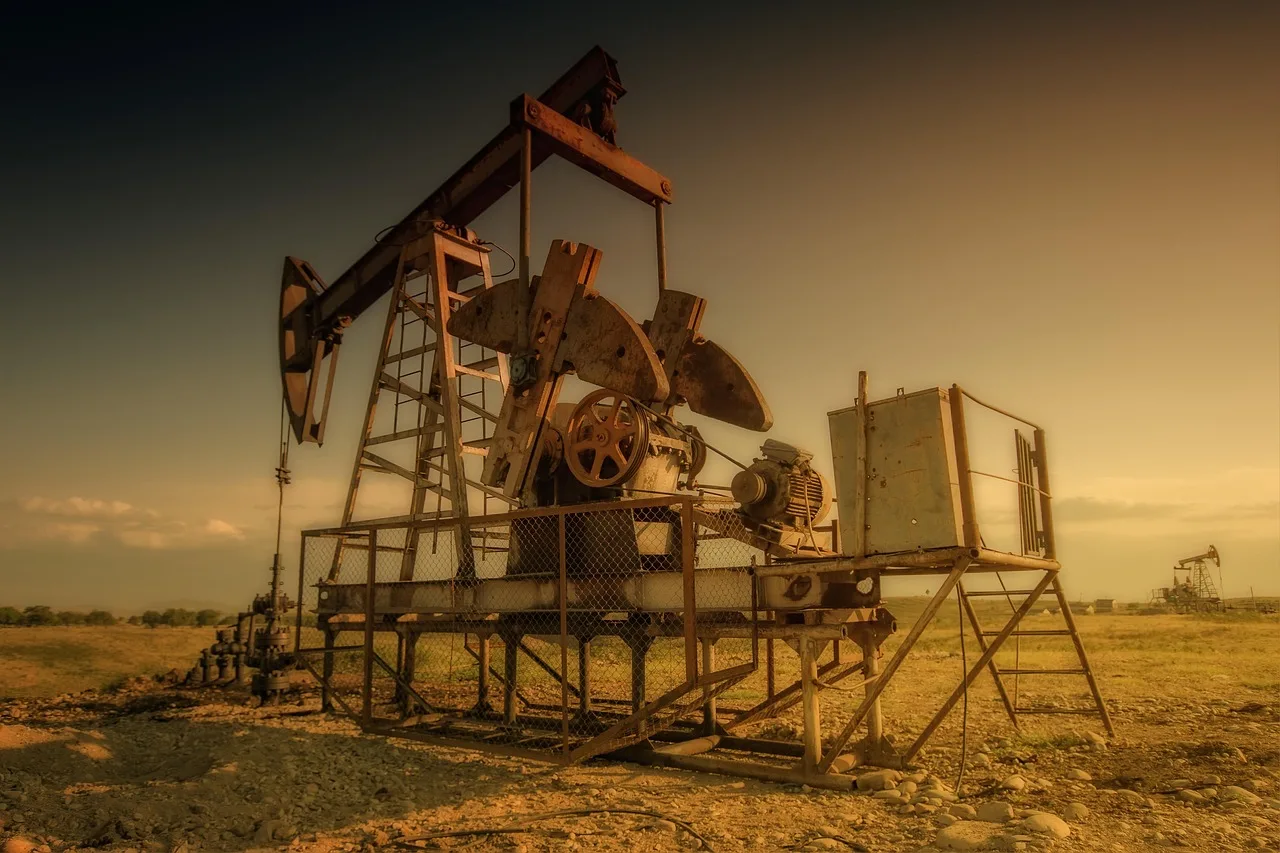
An oil rig is one of the most dangerous work environments in Texas. While the oil and gas industry plays a critical role in the state’s economy, the risks faced by workers on an oil rig are significant and often life-altering. Explosions, falls, equipment failures, and toxic exposure are not rare events, they are known hazards of oil rig operations. When something goes wrong, the consequences can be catastrophic.
Injuries on an oil rig frequently involve complex legal issues, powerful corporate defendants, and aggressive insurance carriers. Workers and their families are often left overwhelmed, unsure of their rights, and uncertain about how to secure financial stability after a serious accident. Understanding how oil rig injury claims work in Texas is essential for anyone injured in this high-risk industry.
This article explains the legal landscape surrounding oil rig injuries, common accident scenarios, the types of injuries involved, liability considerations, insurance challenges, compensation options, and what steps injured workers should take immediately after an incident. It also explains how experienced legal representation can protect oil rig workers when the stakes are at their highest.
Understanding the Risks of Working on an Oil Rig
An oil rig is a highly industrialized environment that combines heavy machinery, flammable materials, extreme weather exposure, and physically demanding labor. These conditions create constant risk, even when safety protocols are followed.
Why Oil Rig Work Is Inherently Dangerous
Oil rig operations involve:
- High-pressure drilling systems
- Explosive gases and volatile chemicals
- Massive rotating equipment
- Elevated platforms and confined spaces
- Long shifts that increase fatigue
When safety systems fail or procedures are ignored, the results can be devastating. Oil rig accidents often cause severe injuries that require extensive medical treatment and long-term recovery.
Texas Oil Rig Operations and Legal Complexity
Texas oil rig sites operate under a combination of state law, federal regulations, and industry safety standards. Liability often extends beyond a single employer, involving contractors, equipment manufacturers, and site operators. This complexity makes legal claims involving oil rig injuries far more challenging than standard workplace accident cases.
Common Oil Rig Accident Scenarios
Oil rig injuries rarely happen without warning signs. Many accidents result from preventable hazards that were ignored or improperly managed.
Explosions and Fires
Explosions are among the most catastrophic oil rig incidents. Gas leaks, pressure failures, and improper handling of flammable materials can lead to fires that cause severe burns, internal injuries, and fatalities.
Falls From Height
Oil rig workers frequently operate on elevated platforms, ladders, and scaffolding. Falls from height often result in spinal cord injuries, traumatic brain injuries, and multiple fractures.
Equipment and Machinery Failures
Oil rig operations rely on complex machinery such as drilling rigs, hoists, and pumps. Defective equipment, lack of maintenance, or operator error can lead to crushing injuries or amputations.
Toxic Chemical Exposure
Workers on an oil rig may be exposed to hydrogen sulfide, drilling fluids, and other hazardous substances. Toxic exposure can cause respiratory damage, neurological injuries, and long-term illness.
Transportation Accidents
Many oil rig sites are located in remote areas. Vehicle crashes involving company trucks, heavy equipment, or helicopters transporting workers are a frequent cause of serious injury.
Injuries Commonly Sustained on an Oil Rig
Oil rig accidents often result in injuries that permanently alter a worker’s quality of life and earning capacity.
Physical Injuries
Common oil rig injuries include:
- Severe burns and disfigurement
- Traumatic brain injuries
- Spinal cord injuries and paralysis
- Crush injuries and amputations
- Internal organ damage
| Injury Type | Potential Long-Term Impact |
| Burns | Permanent scarring, surgeries |
| Head injuries | Cognitive impairment |
| Spinal injuries | Loss of mobility |
| Amputations | Prosthetics, reduced earning ability |
Psychological and Emotional Trauma
In addition to physical harm, oil rig workers may experience post-traumatic stress, depression, anxiety, and sleep disorders following a serious accident. These effects are legally compensable and should never be overlooked.
Liability in Oil Rig Injury Cases
Determining who is legally responsible after an oil rig accident is rarely straightforward. Multiple parties often share liability.
Employers and Non-Subscriber Status
Texas allows employers to opt out of the workers’ compensation system. Many oil rig companies are non-subscribers, meaning injured workers can file personal injury lawsuits directly against their employer.
Third-Party Liability
Oil rig injury claims often involve third parties such as:
- Equipment manufacturers
- Maintenance contractors
- Site operators
- Transportation companies
When negligence by any of these parties contributes to an oil rig accident, they may be held financially responsible.
Product Liability and Defective Equipment
If defective machinery or safety equipment caused an oil rig injury, the manufacturer or distributor may be liable under product liability laws.
Federal Regulations and Safety Standards Governing Oil Rig Operations
Oil rig operations are subject to extensive safety regulations designed to protect workers from known hazards. These rules are not optional guidelines, they are enforceable standards that companies must follow. When an oil rig accident occurs, one of the first legal questions is whether these regulations were violated.
Oil rig safety is governed by a combination of federal agencies and industry standards. Offshore oil rig operations fall under federal maritime and energy regulations, while onshore oil rig sites are subject to federal workplace safety rules as well as Texas law. These regulations address critical issues such as equipment maintenance, employee training, hazardous material handling, emergency response planning, and fall protection.
Violations of safety regulations are often a key factor in oil rig injury claims. For example, failure to properly inspect drilling equipment, ignoring gas detection alarms, or allowing workers to operate machinery without adequate training can all constitute negligence. When companies prioritize production speed or profit over compliance, the risk of serious oil rig injuries increases dramatically.
In many cases, oil rig companies are aware of safety issues long before an accident occurs. Internal reports, prior incidents, and employee complaints may reveal a pattern of ignored hazards. A thorough investigation can uncover whether safety violations were isolated mistakes or part of a broader culture of negligence. These findings are critical when determining liability and strengthening an oil rig injury claim.
Importantly, regulatory violations can also undermine common defense strategies used by oil rig operators. Companies often attempt to blame injured workers for accidents, arguing that human error was the primary cause. However, when safety systems are inadequate or rules are not enforced, responsibility often shifts back to management and corporate decision-makers.
Independent Contractors, Subcontractors, and Shared Responsibility on an Oil Rig
One of the most complex aspects of oil rig injury cases is the involvement of multiple companies operating on the same site. Oil rig projects often rely on layers of contractors, subcontractors, and third-party service providers, each with specific responsibilities. While this structure may benefit efficiency, it creates serious legal challenges when accidents occur.
In many oil rig injury cases, the worker’s direct employer is not the only party responsible. A subcontractor may have failed to maintain equipment, a site operator may have enforced unsafe schedules, or a third-party vendor may have supplied defective machinery. Each of these parties can potentially share liability for an oil rig accident.
Determining responsibility requires a detailed analysis of contracts, safety agreements, and operational control. Simply labeling a company as an independent contractor does not automatically shield it from liability. Courts often look at who had authority over safety procedures, who controlled the work environment, and who made decisions that contributed to the accident.
This shared responsibility is especially important in Texas, where some oil rig employers opt out of workers’ compensation coverage. In those cases, injured workers may pursue claims against both their employer and negligent third parties. Identifying all liable entities significantly increases the potential sources of compensation.
Oil rig companies and contractors often attempt to shift blame among themselves, delaying claims and complicating recovery. Without strong legal advocacy, injured workers may be caught in the middle of corporate finger-pointing. A comprehensive legal strategy ensures that every responsible party is held accountable and that no available avenue for compensation is overlooked.
Insurance Challenges in Oil Rig Injury Claims
Insurance issues are one of the most difficult aspects of oil rig cases.
Employer and Contractor Insurance Policies
Oil rig operators and contractors often carry large liability policies. However, insurers aggressively defend these claims and attempt to shift blame onto injured workers.
Common Insurance Tactics
In oil rig cases, insurers may:
- Dispute how the accident occurred
- Minimize injury severity
- Argue worker negligence
- Delay claims to pressure settlements
Without strong legal advocacy, injured oil rig workers may face significant financial hardship.
Compensation Available After an Oil Rig Accident
The financial impact of an oil rig injury can be overwhelming. Compensation is intended to address both immediate and long-term losses.
Economic Damages
Economic damages may include:
- Medical expenses and future treatment
- Rehabilitation and therapy costs
- Lost wages
- Loss of future earning capacity
Non-Economic Damages
Non-economic damages compensate for:
- Physical pain
- Emotional suffering
- Loss of enjoyment of life
- Permanent disfigurement
| Damage Category | Examples |
| Economic | Surgery, lost income |
| Non-economic | Pain, emotional distress |
| Future damages | Long-term care needs |
Wrongful Death Claims
When an oil rig accident results in death, surviving family members may pursue wrongful death damages for funeral costs, loss of financial support, and loss of companionship.
Statute of Limitations for Oil Rig Injury Claims
Texas law imposes strict deadlines for filing injury lawsuits. In most oil rig cases, claims must be filed within two years of the accident date. Missing this deadline usually eliminates the right to compensation entirely.
Because oil rig cases often involve extensive investigation, early legal action is critical.
What to Do After an Oil Rig Accident
The steps taken immediately after an oil rig injury can significantly affect the outcome of a legal claim.
Seek Immediate Medical Care
Prompt treatment protects health and creates essential medical documentation.
Report the Incident
Always report the accident to supervisors and ensure an official report is created.
Preserve Evidence
Photographs, equipment details, witness names, and incident reports can be invaluable later.
Avoid Recorded Statements
Insurance companies may request recorded statements that can be used against injured workers. Legal guidance should come first.
Who Loncar Lyon Jenkins Is
Loncar Lyon Jenkins is a Texas-based personal injury law firm known for representing individuals injured in high-risk industries, including oil rig operations. The firm focuses on serious injury and wrongful death cases where lives and livelihoods are permanently affected.
Experience Handling Oil Rig and Industrial Injury Cases
Loncar Lyon Jenkins has extensive experience handling complex oil rig injury claims involving catastrophic harm. Their legal team understands the technical aspects of oil rig operations and how negligence, safety failures, and corporate decision-making contribute to preventable accidents.
How Loncar Lyon Jenkins Builds Strong Oil Rig Cases
Oil rig claims demand thorough preparation. Loncar Lyon Jenkins conducts in-depth investigations that may include:
- Reviewing safety records and inspection logs
- Analyzing equipment design and maintenance history
- Consulting industry and engineering experts
- Identifying all responsible parties and insurance coverage
This methodical approach ensures oil rig injury claims are built on solid evidence.
Conclusion: Protecting Your Future After an Oil Rig Injury
An oil rig accident can change a worker’s life in an instant. Severe injuries, financial uncertainty, and long recovery periods place enormous strain on injured individuals and their families. Legal representation matters because oil rig cases involve complex liability issues, aggressive insurers, and strict deadlines.
Holding negligent parties accountable not only provides financial relief but also promotes safer practices across the industry. For workers injured on an oil rig, seeking experienced legal guidance as soon as possible is essential to protecting both legal rights and long-term stability.
Loncar Lyon Jenkins stands ready to help oil rig injury victims pursue justice, accountability, and full compensation. When the risks are high and the consequences are permanent, having the right legal advocate can make all the difference.