














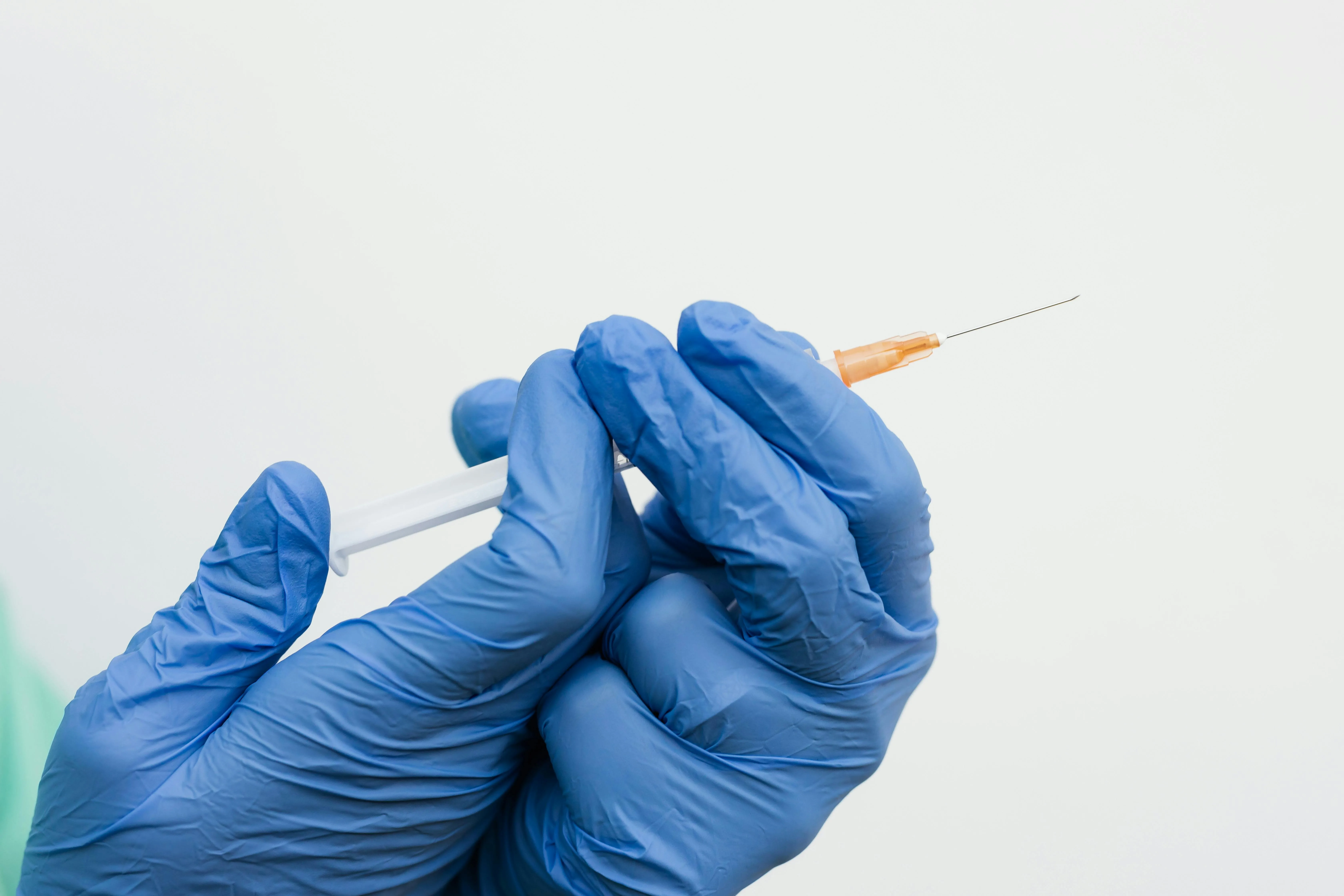
If you are searching tetanus shot for dog bite, you are likely dealing with a recent dog bite and trying to understand whether you need a tetanus booster, how serious the risk of infection is, and what medical steps should be taken immediately. Dog bites are not minor injuries. Even small puncture wounds can introduce dangerous bacteria deep into tissue, leading to serious infections and long term complications.
This article explains why tetanus shots are often recommended after dog bites, how tetanus infections develop, when a booster is medically necessary, how timing affects safety, and why proper treatment is critical not only for health but also for protecting legal rights after a dog attack. It is written for people who are injured, concerned, and trying to make informed decisions quickly.
What happened and why tetanus risk matters after a dog bite
A dog bite creates an open wound that allows bacteria from the dog’s mouth and the surrounding environment to enter the body. Dog mouths carry a wide range of bacteria, including organisms that can cause deep tissue infections.
Tetanus is caused by bacteria that live in soil, dust, and animal feces. These bacteria can enter the body through puncture wounds, lacerations, or deep scratches. Once inside the body, the bacteria produce toxins that attack the nervous system.
Dog bites are considered high risk wounds for tetanus because they often involve deep punctures that trap bacteria in low oxygen environments where tetanus organisms thrive.
Tetanus is rare in vaccinated populations, but when it occurs, it is life threatening. Muscle rigidity, painful spasms, breathing difficulty, and nervous system failure can develop rapidly.
Because of this risk, medical providers treat dog bites as potential tetanus exposure events.
What tetanus is and how infection develops
Tetanus is a serious bacterial disease caused by Clostridium tetani. These bacteria are not spread from person to person. They enter the body through broken skin.
Once inside a wound, the bacteria release a powerful toxin called tetanospasmin. This toxin travels along nerves to the brain and spinal cord, interfering with nerve signals that control muscles.
The result is severe muscle stiffness and spasms that can affect the jaw, neck, chest, and entire body. Lockjaw is a classic early symptom, followed by difficulty swallowing and breathing.
Without prompt treatment, tetanus can cause respiratory failure, heart rhythm disturbances, and death.
Even with modern care, tetanus requires intensive hospitalization and carries a significant risk of complications.
Why dog bites increase tetanus risk
Not all wounds carry the same tetanus risk. Dog bites are considered high risk for several reasons.
Puncture wounds are common. These narrow, deep wounds trap bacteria and limit oxygen, creating ideal conditions for tetanus growth.
Bites often involve contamination with saliva, dirt, or debris.
Delayed cleaning is common when bites happen outdoors or in chaotic situations.
Crushing injuries may damage tissue, reducing blood flow and immune response.
For these reasons, medical guidelines treat dog bites as tetanus prone wounds that require careful evaluation.
When a tetanus shot is recommended after a dog bite
Whether a tetanus shot is needed depends on vaccination history and the type of wound.
If you have not received a tetanus booster within the last ten years, a booster is usually recommended after any dog bite.
When the wound is deep, dirty, puncture type, or heavily contaminated, a booster may be recommended if it has been more than five years since your last tetanus shot.
If your vaccination status is unknown or incomplete, immediate vaccination is often required.
In some cases, tetanus immune globulin may be given in addition to the vaccine if the person has never been vaccinated or is severely under vaccinated.
Timing matters. The tetanus shot should ideally be given within 48 hours of the bite, but it may still be beneficial if given later.
Why timing of the tetanus shot is critical
Tetanus bacteria can begin producing toxin before symptoms appear. Once symptoms begin, the disease is much harder to control.
The tetanus vaccine does not treat existing tetanus, but it prevents the bacteria from producing toxin.
Early vaccination dramatically reduces the risk of developing tetanus.
Delaying care increases the risk of serious infection, prolonged hospitalization, and permanent complications.
From both a medical and legal perspective, prompt treatment after a dog bite is essential.
Other infections commonly associated with dog bites
Tetanus is not the only infection risk after a dog bite.
Rabies exposure may be a concern depending on the dog’s vaccination status.
Pasteurella bacteria frequently cause rapid onset infections.
Staphylococcus and streptococcus can cause severe skin and soft tissue infections.
Capnocytophaga bacteria can cause bloodstream infections in high risk individuals.
These infections can spread quickly and cause permanent damage if not treated early.
This is why dog bites should always receive professional medical evaluation.
How dog bite wounds should be treated initially
Immediate wound care reduces infection risk.
The wound should be washed thoroughly with soap and running water for several minutes.
Bleeding should be controlled with clean pressure.
The wound should be evaluated by a medical provider as soon as possible.
Antibiotics are often prescribed for moderate to severe bites.
Stitches may or may not be used depending on infection risk and wound location.
Documentation of the injury is important for both medical and legal purposes.
Why medical treatment matters for legal protection
Dog bite cases often involve insurance claims and potential lawsuits. Medical records provide the foundation for proving injury, severity, and causation.
Failure to seek prompt care allows insurers to argue that injuries were minor or unrelated.
Tetanus shots, antibiotics, and wound care all become part of the documented harm caused by the bite.
Delayed treatment can weaken both health outcomes and legal claims.
When a dog bite becomes a legal issue
Dog bites frequently result from negligent control, failure to restrain, or known aggressive behavior.
Many states impose strict liability on dog owners for bites.
Injuries requiring tetanus shots, antibiotics, or surgery are considered serious injuries.
Medical documentation of infection risk strengthens liability and damage claims.
Understanding the medical importance of tetanus prevention helps explain the legal seriousness of dog bite injuries.
Why tetanus risk is often underestimated
Many people believe tetanus is a disease of the past. In reality, it remains deadly when vaccination lapses.
Because symptoms appear days to weeks after injury, the connection to the bite is often overlooked.
Underestimating tetanus risk leads to delayed treatment and avoidable complications.
Medical guidelines emphasize prevention because once tetanus develops, outcomes are unpredictable.
Long term medical consequences when tetanus prevention is delayed
When a tetanus shot for dog bite is delayed or omitted, the medical consequences can be severe and long lasting. Tetanus is not a mild infection. Once symptoms develop, the disease often requires intensive care and prolonged hospitalization.
Muscle rigidity typically begins in the jaw and neck, then spreads to the chest, abdomen, and limbs. These spasms can be so strong that they fracture bones or tear muscles. Breathing muscles may become rigid, requiring mechanical ventilation to keep the patient alive.
Autonomic nervous system instability is another major complication. Patients may experience dangerous swings in blood pressure and heart rate that require constant monitoring and medication.
Recovery from tetanus is slow. Even with treatment, patients often spend weeks in intensive care and months in rehabilitation. Muscle weakness, chronic pain, swallowing difficulties, and breathing problems may persist long after the infection is controlled.
These long term consequences explain why prevention through timely vaccination is emphasized so strongly after dog bites.
High risk groups for tetanus after dog bites
Certain individuals face higher risk of developing tetanus after a dog bite.
Older adults who have not kept up with booster vaccinations are particularly vulnerable. Many adults are unaware that tetanus protection fades over time.
People with weakened immune systems may have reduced ability to fight infection even after vaccination.
Individuals with chronic wounds, diabetes, or poor circulation are more susceptible to deep tissue infections.
Children with incomplete vaccination schedules may also be at risk.
For these groups, prompt evaluation and vaccination are especially critical.
Interaction between tetanus prevention and other dog bite treatments
Tetanus prevention is only one part of comprehensive dog bite care.
Antibiotics are often required to prevent or treat bacterial infections.
Rabies assessment may be necessary depending on the dog’s vaccination status and behavior.
Wound management decisions, including whether to close the wound, affect infection risk.
Follow up visits are important to monitor healing and identify early signs of infection.
Failure to coordinate these treatments increases the risk of complications and worsens outcomes.
Psychological impact of serious dog bite infections
Severe dog bite infections and tetanus scares often cause lasting psychological distress.
Many victims develop fear of dogs, anxiety in public spaces, or avoidance behaviors.
Children may develop nightmares, separation anxiety, or long term fear reactions.
Adults may experience panic symptoms, hypervigilance, or depression related to the trauma.
When hospitalization or intensive care is required, post traumatic stress symptoms are common.
These psychological injuries are real, measurable, and part of the overall harm caused by a dog bite.
Financial consequences of delayed tetanus treatment
Delayed tetanus prevention often leads to far greater financial harm than timely vaccination.
Hospitalization, intensive care, ventilator support, and rehabilitation generate enormous medical bills.
Lost income accumulates quickly when victims are unable to work for weeks or months.
Family members may lose income while providing care or attending medical visits.
Long term disability planning may become necessary in severe cases.
These economic damages are a central part of dog bite injury claims.
Table 1: Dog bite wound types and tetanus risk
| Wound type | Typical features | Tetanus risk level | Medical response |
| Superficial scratches | Shallow skin breaks | Low to moderate | Clean and observe |
| Deep puncture wounds | Narrow, deep tracks | High | Booster recommended |
| Crush injuries | Tissue damage | High | Urgent evaluation |
| Contaminated wounds | Dirt, debris present | Very high | Immediate vaccination |
| Delayed treated wounds | Late presentation | Very high | Aggressive prevention |
Legal significance of tetanus shots after dog bites
From a legal standpoint, tetanus prevention plays an important role in dog bite cases.
Medical records documenting tetanus shots, antibiotics, and follow up care establish the seriousness of the injury.
Failure to seek timely care allows insurers to argue that the bite was minor or that complications were self caused.
When tetanus exposure is documented, it strengthens claims for pain, suffering, emotional distress, and future medical risk.
In cases where delayed care leads to infection, liability may increase due to foreseeable harm.
Proper medical treatment protects both health and legal rights.
Common defenses raised in dog bite infection cases
Dog owners and insurers often raise predictable defenses.
They may argue the bite was minor and did not require medical care.
They may claim the victim failed to seek timely treatment.
Owners may argue that infection resulted from poor wound care rather than the bite itself.
Or they may challenge the necessity of vaccines or hospitalization.
Strong medical documentation is the most effective way to counter these defenses.
Table 2: Evidence that strengthens tetanus related dog bite claims
| Evidence type | Why it matters | Common weaknesses |
| Emergency visit records | Document exposure | Delayed presentation |
| Vaccination records | Show prevention need | Missing history |
| Wound photographs | Show severity | Poor image quality |
| Infection labs | Prove complications | Late testing |
| Hospital records | Establish damages | Incomplete billing |
What to do if you were bitten by a dog
Clean the wound immediately with soap and running water.
Seek medical evaluation as soon as possible.
Tell the provider when your last tetanus shot was given.
Follow all antibiotic and wound care instructions.
Report the bite to local health authorities if required.
Document the incident and preserve records.
How Loncar Lyon Jenkins handles dog bite injury cases
Loncar Lyon Jenkins represents individuals injured by dog bites with a focus on medical seriousness and long term impact. The firm reviews vaccination records, infection risk, and treatment timelines to establish the full scope of harm.
Loncar Lyon Jenkins works with medical experts to explain infection mechanisms, delayed complications, and future risks. Dog owners and insurers are challenged when they attempt to minimize the importance of tetanus prevention and wound care.
Clients are supported through complex medical and legal issues with clarity, accountability, and a focus on full compensation.
Frequently asked questions
Do all dog bites require a tetanus shot
Not all, but many do depending on vaccination history and wound type.
How soon should I get a tetanus shot
Ideally within 48 hours.
What if I do not know my vaccination history
Vaccination is usually recommended.
Can tetanus develop from a small bite
Yes, even small punctures can carry risk.
Is tetanus treatable once symptoms start
Treatment is difficult and outcomes are unpredictable.
Do antibiotics prevent tetanus
No, vaccination is required.
Can children get tetanus from dog bites
Yes, if not fully vaccinated.
Does rabies risk affect tetanus treatment
They are evaluated separately.
Will insurance cover tetanus shots
Often yes, as part of emergency care.
When should legal help be considered
When injuries are serious or complications develop.
Conclusion
A tetanus shot for dog bite is not a routine formality. It is a critical medical intervention that prevents a rare but deadly disease. Delayed or missed vaccination can lead to catastrophic infection, prolonged hospitalization, permanent disability, and even death.
Proper wound care, timely vaccination, and thorough documentation protect both health and legal rights after a dog bite.
Loncar Lyon Jenkins represents individuals injured in dog attacks and works to ensure that the full medical and legal consequences of these injuries are recognized and addressed.