
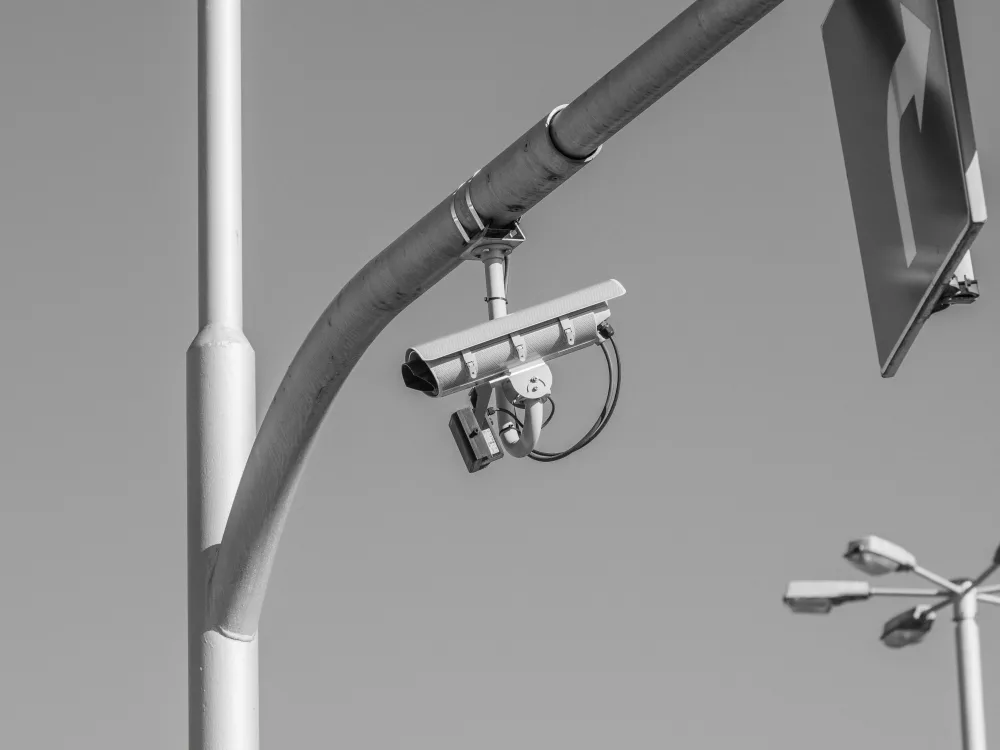
If you are searching online for traffic cameras, you are likely trying to determine whether a camera captured a crash, traffic violation, or roadway incident. Across the city, agencies actively use Dallas traffic cameras to monitor intersections, reduce congestion, and track traffic flow in real time. Because of this, in accident investigations, traffic cameras often provide some of the strongest and most objective evidence available.
This guide explains how traffic cameras operate, where agencies install them, what footage they capture, how long recordings are stored, and why this evidence directly impacts fault, liability, and compensation decisions after a crash. In addition, this article helps injured drivers, passengers, and families understand how these systems influence real injury claims and insurance outcomes.
What Dallas traffic cameras are and why they exist
Dallas traffic cameras are fixed or mobile video systems placed along highways, major intersections, and busy roadway corridors. Transportation departments install these cameras primarily to control traffic flow and respond to congestion faster. Traffic engineers rely on Dallas traffic cameras to monitor roadway patterns, detect accidents quickly, and adjust signal timing to keep traffic moving.
Most Dallas traffic cameras do not issue automatic tickets. Instead, they record real world traffic activity. Even without enforcement capability, traffic cameras still capture valuable visual evidence showing how crashes happen. Because of this, accident investigations frequently depend on this footage to confirm timelines, vehicle movements, and right of way violations.
From a legal standpoint, traffic cameras create independent, time-stamped visual documentation. Investigators do not have to rely only on witness memory or driver statements. Instead, they can review actual footage showing how a collision occurred. As a result, insurance companies and courts often give this type of evidence significant weight.
Where Dallas traffic cameras are most commonly located
Dallas traffic cameras are typically installed where traffic volume and accident risk are highest. City planners place cameras where monitoring directly improves roadway safety and congestion response.
Most traffic cameras sit at major intersections with heavy daily traffic. Downtown corridors with constant pedestrian activity also rely heavily on camera monitoring. In addition, highway entrance ramps, interchanges, and construction detour zones often include camera coverage to track vehicle movement and detect incidents quickly. Cameras are also frequently installed near schools, hospitals, and transit hubs where traffic conditions change throughout the day.
Engineers position traffic cameras to capture multiple lanes, turning movements, and crosswalk activity. Because of that wide field of view, footage often captures crashes even if vehicles were not directly beneath the camera.
Types of Dallas traffic cameras and how they differ
Not every Dallas traffic camera operates the same way. Different systems serve different traffic monitoring goals across the city.
Traffic management cameras monitor congestion and vehicle flow. Intersection monitoring cameras track signal timing and turning movement patterns. Construction cameras monitor traffic conditions around road work zones. Temporary portable cameras are often installed during major events or large infrastructure projects. In addition, private security cameras from nearby businesses or apartment complexes often provide additional video coverage.
Because each system uses different recording hardware and storage technology, retention time and access rules can vary widely.
What Dallas traffic cameras usually record
Most traffic cameras capture wide roadway views rather than close up driver images. Their main job is documenting vehicle movement patterns rather than identifying individuals.
Dallas traffic cameras typically capture vehicle movement through intersections, turning behavior, lane changes, signal phase timing, and pedestrian crossing activity. However, most systems do not capture clear facial images or readable license plates from long distance. Even with those limits, the footage still provides powerful evidence because it shows how vehicles moved and who had the right of way.
How long Dallas traffic camera footage is stored
Storage time is one of the most important facts about Dallas traffic cameras. Most systems do not store footage permanently.
Many Dallas traffic cameras overwrite recordings within 24 to 72 hours. Some systems store footage slightly longer depending on storage capacity and agency policy. Because of this, delayed investigations often lead to permanent evidence loss.
For that reason, acting quickly is critical. Waiting even a few days can permanently erase key video evidence.
Who controls Dallas traffic camera footage access
Access to traffic cameras depends on which agency operates the system. Control may belong to the City of Dallas, Texas Department of Transportation, Dallas Police Department, or private traffic system contractors.
Most agencies do not automatically release footage to the public. Instead, formal requests are usually required. In serious accident cases, attorneys often send preservation requests immediately to stop automatic deletion.
Why traffic cameras are powerful accident evidence
Traffic cameras provide objective documentation. Unlike witness testimony, video evidence does not rely on memory, emotion, or perception.
Dallas traffic cameras can help prove which vehicle entered an intersection first, whether signals were red or green, which driver failed to yield, whether pedestrians were inside crosswalks, and whether vehicles made unsafe turns. Because of this, video evidence often resolves disputes quickly.
How traffic cameras influence liability decisions
In many crashes, drivers give completely different versions of events. Dallas traffic cameras often resolve those conflicts immediately.
Footage can confirm signal timing, vehicle positioning, turning movement, point of impact, and pedestrian location. When video evidence exists, insurers and courts usually rely heavily on it. As a result, strong video evidence often speeds up claim resolution and improves settlement accuracy.
Why Dallas traffic camera evidence is often lost
Many people never realize that traffic cameras may have recorded their accident. Police reports do not always list nearby cameras. Drivers often assume cameras only issue tickets. In addition, footage may be deleted automatically within days. Because access procedures are complicated, many people never request footage quickly enough.
As a result, strong evidence often disappears before anyone attempts to preserve it.
How Dallas traffic cameras affect investigations and insurance decisions
Police investigators often use traffic cameras to reconstruct crash timelines and confirm signal phases. In multi vehicle crashes, video footage often reveals chain reactions that are not obvious from vehicle damage alone. Accident reconstruction experts often utilize traffic cameras to determine vehicle speed, reaction time, and the sequence of the crash.
Insurance companies also react strongly to video evidence. When footage clearly shows negligence, insurers often accept liability faster. Without video evidence, insurers often dispute fault and delay claims. As a result, Dallas traffic cameras can significantly impact claim value.
Chart 1: How Dallas traffic cameras influence claim outcomes
| Evidence Type | Claim Impact | Typical Insurance Response |
|---|---|---|
| Video confirms fault | Strong liability proof | Faster settlement |
| Partial video evidence | Shared fault disputes | Longer negotiations |
| No video evidence | Heavy reliance on testimony | Higher denial risk |
Traffic cameras in pedestrian and cyclist accidents
Pedestrian and bicycle cases are frequently disputed. Drivers often claim pedestrians stepped into traffic or cyclists ignored signals. Dallas traffic cameras often disprove these claims by showing crosswalk use, signal phase timing, vehicle turning behavior, and exact impact location.
Because pedestrian crashes often involve catastrophic injuries, video evidence frequently becomes the most important liability evidence.
Chart 2: Dallas traffic cameras and crash type analysis
| Crash Type | How Video Helps | Legal Impact |
|---|---|---|
| Intersection crash | Shows signal timing | Establishes right of way |
| Left turn crash | Shows turning movement | Confirms failure to yield |
| Pedestrian crash | Shows crossing timing | Strengthens liability claims |
| Multi vehicle crash | Shows sequence of impact | Allocates fault clearly |
Limits of Dallas traffic camera evidence
Dallas traffic cameras provide strong evidence, but limitations exist. Resolution quality varies by system. Camera angles may not capture every lane. Weather and lighting can reduce visibility. Distance often prevents license plate identification.
Because of this, courts treat traffic cameras as one part of the evidence picture. Expert analysis is often needed to interpret footage fully.
Chart 3: Strengths and limits of Dallas traffic cameras
| Strength | Limitation |
|---|---|
| Objective visual timeline | Limited resolution in some systems |
| Independent evidence source | May not capture full crash scene |
| Helps establish fault quickly | Often requires expert interpretation |
Why early legal action matters for Dallas traffic cameras
Dallas traffic cameras often overwrite footage quickly. Because of this, early legal action is critical. Preservation letters must be sent immediately. Agencies must be identified correctly. Deadlines must be met.
Delays often result in permanent evidence loss.
How Loncar Lyon Jenkins uses traffic camera evidence
Loncar Lyon Jenkins aggressively investigates Dallas traffic cameras in serious accident cases. The firm identifies potential public and private camera sources quickly. Attorneys send immediate preservation requests and work directly with agencies to obtain footage fast.
When video evidence exists, Loncar Lyon Jenkins builds liability strategy around that footage, supports expert analysis, and prepares strong trial presentations to establish fault clearly.
Conclusion
Dallas traffic cameras now play a major role in accident investigations. Their footage often determines fault, shapes settlement value, and influences whether cases settle or proceed to trial.
Because this evidence disappears quickly, early investigation is critical. Preserving traffic cameras footage can make the difference between a denied claim and full compensation.
Loncar Lyon Jenkins represents injured clients with a focus on fast evidence preservation, aggressive investigation, and strong legal advocacy to protect critical video evidence.
