
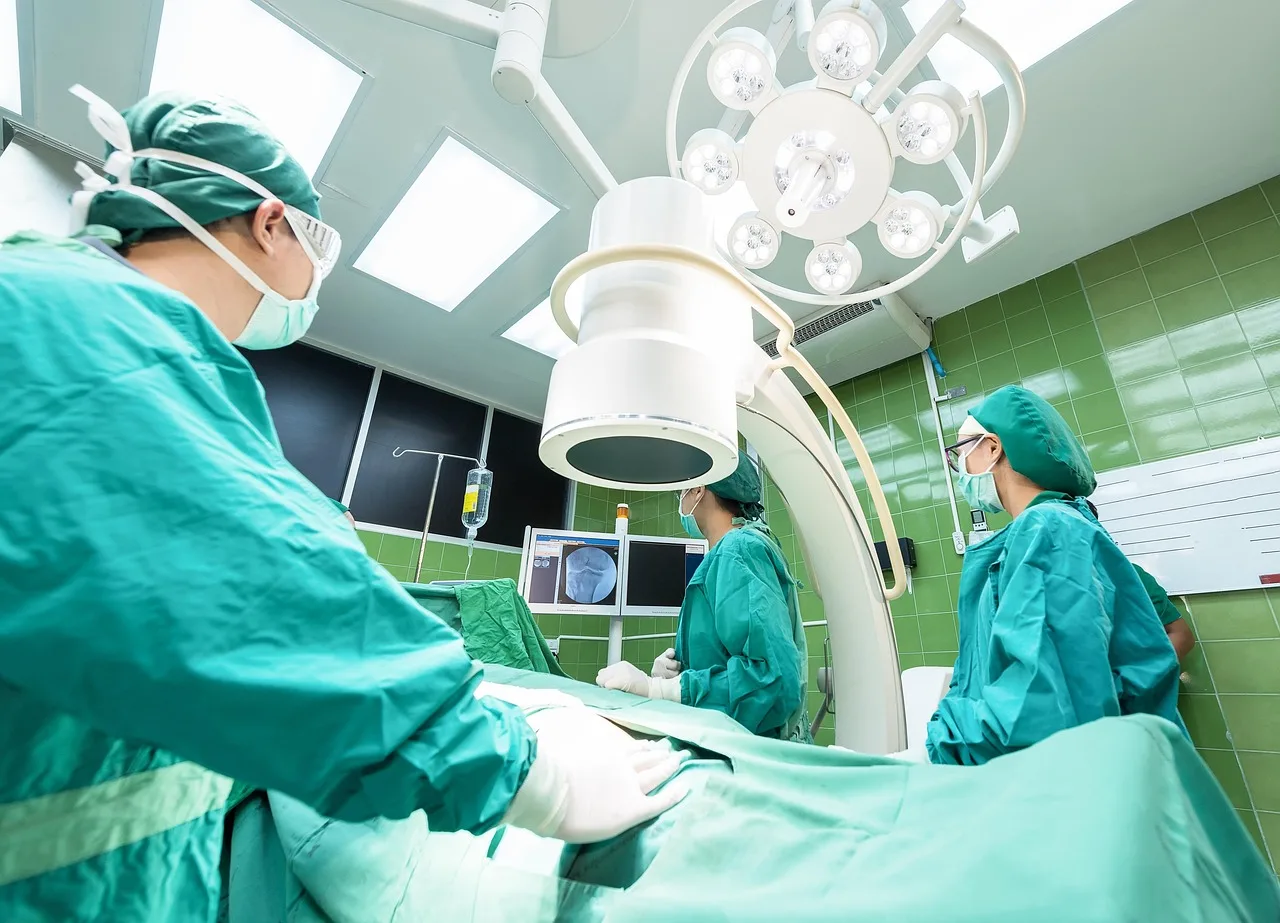
Hernia repairs using surgical mesh have become increasingly common over the past two decades. These synthetic or biological materials are designed to strengthen weakened tissue and reduce the risk of hernia recurrence. However, while hernia mesh can be highly effective, it is not without risks. Hernia mesh complications can range from minor discomfort to severe, life-altering conditions that require additional surgeries and long-term medical care.
Understanding the risks, recognizing the early signs, and knowing when to seek medical attention are essential for anyone considering or recovering from hernia mesh surgery. This guide explores what hernia mesh complications are, the most common types, potential causes, early symptoms, treatment options, and how patients can protect their health.
What Are Hernia Mesh Complications?
Hernia mesh complications occur when the surgical implant causes unexpected or adverse effects. Complications can appear immediately after surgery, within a few weeks, or even several years later. While hernia mesh is intended to support tissue and reduce recurrence, sometimes the mesh fails to integrate properly with the body or causes unintended tissue reactions.
Common complications include:
- Mesh migration and erosion
- Infection around the surgical site
- Adhesions and scar tissue formation
- Mesh shrinkage or contraction
- Chronic or persistent pain
Each of these complications can significantly affect a patient’s quality of life and may require medical or surgical intervention to correct.
Types of Hernia Mesh Complications
Mesh Migration
Mesh migration occurs when the mesh moves from its original placement. Migration can irritate nearby organs or tissues, potentially causing perforation, bleeding, or chronic pain. In some cases, the mesh may migrate to a distant location in the body, making removal difficult and increasing the risk of secondary complications.
Mesh Erosion
Erosion refers to the process where the mesh wears through surrounding tissue, sometimes affecting organs like the bladder, intestines, or abdominal wall. This can result in severe pain, infection, or digestive complications. Symptoms may appear months or even years after the original surgery.
Infection
Post-surgical infection is one of the most serious hernia mesh complications. Infection can develop from bacteria introduced during surgery or as a result of contamination afterward. Infections can be persistent and difficult to treat because bacteria can adhere to the mesh. Severe infections often require mesh removal and extended antibiotic treatment.
Adhesions and Scar Tissue
Adhesions are fibrous bands that form between tissues and organs as the body heals. While some scar tissue is normal, excessive adhesions from mesh implants can cause pain, restrict movement, or even obstruct the intestines. Adhesions can also make any future abdominal surgeries more complicated and risky.
Mesh Shrinkage
Some types of hernia mesh can shrink or contract over time. Shrinkage may pull surrounding tissue and nerves, causing chronic pain or hernia recurrence. Mesh shrinkage can occur gradually, making it difficult to detect until symptoms become severe.
Chronic Pain
Persistent pain is one of the most common reasons patients seek further medical attention. Pain may be localized near the surgical site or radiate to nearby areas. Causes include nerve entrapment, inflammation, infection, mesh contraction, or scar tissue formation. Chronic pain can significantly impact daily life and mobility.
Symptoms of Hernia Mesh Complications
Recognizing symptoms early is critical. Patients should be aware of the signs that indicate a possible mesh-related issue:
- Persistent or worsening abdominal or groin pain
- Swelling, redness, or tenderness around the surgical site
- Fever or signs of infection, such as chills
- Nausea, vomiting, or digestive disturbances
- Visible bulges or recurrence of the hernia
It is important to note that symptoms may develop gradually or suddenly. Delayed recognition of mesh complications can lead to worsening conditions, including bowel obstruction, perforation, or chronic infections.
Causes of Hernia Mesh Complications
Several factors contribute to hernia mesh complications:
Surgical Technique
The method and precision of mesh placement play a significant role in outcomes. Incorrect positioning, insufficient fixation, or improper overlap of the mesh can result in migration, erosion, or recurrence. Surgeons must follow proper techniques and consider patient-specific anatomy to minimize risk.
Mesh Material
Different types of mesh are available, including synthetic polypropylene, composite, or biologic meshes. Some materials are more prone to shrinkage, contraction, or causing inflammatory responses. The choice of mesh must consider patient health, tissue type, and the hernia’s location.
Infection
Bacterial contamination during or after surgery is a primary cause of post-operative mesh complications. Even minor infections can become chronic because bacteria can adhere to the mesh, forming biofilms that are resistant to antibiotics.
Patient Factors
Patient health also affects recovery and risk. Obesity, diabetes, smoking, and poor nutritional status can impair healing and increase the likelihood of complications. Pre-existing abdominal conditions or prior surgeries can further complicate recovery.
Postoperative Care
Improper post-surgical care, including early heavy activity or failure to follow recommended guidelines, can place strain on the mesh and surrounding tissues, leading to complications or recurrence.
Diagnosing Hernia Mesh Complications
Accurate diagnosis requires a combination of patient history, physical examination, and imaging studies.
Physical Examination
A healthcare provider will assess the surgical site for tenderness, swelling, bulges, or other abnormalities. They will evaluate range of motion and test for pain during movement.
Imaging Studies
- CT Scans can reveal mesh migration, erosion, or hernia recurrence.
- MRI provides detailed imaging of soft tissues and can detect adhesions.
- Ultrasound helps identify fluid collections, abscesses, or inflammation.
Laboratory Tests
Blood work may indicate infection or inflammation, especially in cases with fever, chills, or systemic symptoms.
Treatment Options for Hernia Mesh Complications
Treatment strategies depend on the type and severity of the complication.
Conservative Management
For mild cases, doctors may recommend:
- Pain management with medications
- Antibiotics for minor infections
- Rest and limited activity to reduce stress on the mesh
While conservative care may relieve some symptoms, it often does not resolve the underlying problem if the mesh is causing significant complications.
Surgical Intervention
Moderate to severe complications often require surgery. Procedures may include:
- Partial or full mesh removal
- Repair of tissue damaged by mesh erosion or migration
- Addressing adhesions or scar tissue
- Hernia recurrence repair
Surgical intervention can be complex, particularly if the mesh has migrated or caused organ damage.
Long-Term Care
Patients who experience chronic pain, adhesions, or digestive complications may require ongoing medical management. Physical therapy, pain specialists, or lifestyle adjustments may help improve quality of life and reduce further risk.
Patient Stories Highlighting Hernia Mesh Complications
Real-world experiences provide insight into the impact of mesh complications:
- Chronic Pain and Migration: A patient developed severe groin pain six months after hernia surgery. Imaging revealed the mesh had migrated, requiring removal and a follow-up repair.
- Infection and Erosion: Another patient experienced repeated infections at the surgical site, ultimately linked to mesh erosion into the abdominal wall. This necessitated hospitalization and prolonged antibiotic therapy.
- Adhesions Causing Bowel Obstruction: A patient developed intestinal obstruction due to adhesions forming around the mesh, requiring emergency surgery.
These cases illustrate the wide range of potential complications and why early recognition and professional care are critical.
Preventing Hernia Mesh Complications
While not all complications can be prevented, patients can take proactive steps:
- Choose an experienced surgeon familiar with mesh procedures
- Discuss the type of mesh used and potential risks
- Follow pre- and post-operative care instructions closely
- Monitor for early signs of complications and report them promptly
- Avoid strenuous activity until cleared by a healthcare provider
Proper prevention and monitoring significantly reduce the likelihood of severe complications.
Conclusion
Hernia mesh complications are a serious concern that can affect a patient’s quality of life, mobility, and overall health. Understanding the risks, recognizing early symptoms, and seeking timely medical care are essential for recovery.
Patients should be aware that chronic pain, infection, mesh migration, erosion, adhesions, and other complications can occur, even months or years after surgery. Those experiencing severe complications may also have legal options if the mesh product was defective or improperly implanted.
If you or a loved one are facing complications from hernia mesh, consult a qualified medical professional immediately and consider seeking advice from an attorney with experience in medical device cases. Early intervention ensures both medical and legal rights are protected, improving outcomes and long-term health.
While some hernia mesh complications appear shortly after surgery, others can develop months or even years later. Long-term issues can profoundly affect a patient’s health, daily life, and emotional well-being. Understanding these potential complications, recognizing the signs, and knowing your options for treatment or legal recourse are crucial for anyone who has undergone hernia mesh repair.
Long-Term Hernia Mesh Complications
Even after initial recovery, hernia mesh can continue to cause problems. Long-term complications may include:
Chronic Pain
Persistent pain is one of the most common long-term complications of hernia mesh surgery. Patients may experience:
- Constant aching at the surgical site
- Pain radiating to the groin, abdomen, or lower back
- Sharp or stabbing sensations with activity
- Pain that interferes with sleep or daily routines
Chronic pain is often caused by nerve entrapment, scar tissue formation, mesh contraction, or low-grade infections. Many patients require long-term pain management or surgical intervention to address the issue.
Adhesions and Bowel Obstruction
Adhesions, or bands of scar tissue, can form around the mesh over time. In some cases, adhesions wrap around the intestines, leading to bowel obstruction. Symptoms may include:
- Severe abdominal pain
- Nausea and vomiting
- Constipation or inability to pass gas
- Abdominal swelling
Bowel obstructions are considered a medical emergency and often require surgery to remove the mesh and correct the blockage.
Mesh Migration and Erosion Over Time
Some meshes can shift or erode into nearby organs years after implantation. For example, a mesh in the lower abdomen may erode into the bladder or intestines, causing:
- Blood in urine or stool
- Painful urination or bowel movements
- Recurrent infections
- Hernia recurrence
These complications frequently necessitate complex revision surgeries.
Infection
Even infections that appear minor in the early post-surgery period can become chronic over time. Bacteria can form biofilms on the mesh, making infections resistant to antibiotics and leading to repeated hospitalizations, fever, and systemic illness.
Recurrent Hernia
Mesh is designed to prevent recurrence, but complications such as shrinkage, migration, or poor tissue integration can cause the hernia to return. Recurrence often requires additional surgery and careful monitoring.
Hernia Mesh Recalls and Safety Alerts
Over the past decade, several hernia mesh products have been recalled due to high rates of complications. Awareness of these recalls is important for patients and healthcare providers alike.
Some of the recalled meshes have been linked to:
- High rates of migration and erosion
- Severe chronic pain
- Increased need for repeat surgeries
- Infection and adhesion formation
Patients who had surgery using recalled mesh may be at increased risk of long-term complications and should consult their healthcare provider immediately.
How Patients Can Identify Complications Early
Monitoring for early warning signs can prevent minor issues from becoming serious. Patients should be alert to:
- Persistent or worsening pain at the surgical site
- Bulges or visible changes around the hernia repair
- Fever, chills, or signs of infection
- Digestive symptoms such as constipation, nausea, or vomiting
- Difficulty performing normal activities
Prompt recognition and action can significantly improve recovery outcomes and reduce the risk of long-term complications.
Treatment and Recovery for Long-Term Hernia Mesh Complications
Treatment for long-term complications varies based on severity and type:
Conservative Management
For mild pain, discomfort, or minor adhesions, treatment may include:
- Physical therapy to restore mobility and reduce scar tissue tightness
- Pain medications, including anti-inflammatories
- Antibiotics for minor infections
While conservative treatment may relieve symptoms, it rarely addresses the underlying cause if the mesh has eroded or migrated.
Surgical Intervention
For severe complications, surgery is often required to:
- Remove or replace the problematic mesh
- Repair damaged tissue or organs
- Correct bowel obstructions caused by adhesions
Surgical intervention can be complex, particularly if adhesions have formed or if the mesh has migrated into organs. Recovery may involve extended hospital stays and intensive rehabilitation.
Patient Experiences with Hernia Mesh Complications
Real-world stories highlight the impact of hernia mesh complications:
- Chronic Pain and Migration: A patient developed severe abdominal pain three years post-surgery. Imaging revealed mesh migration and nerve entrapment, requiring removal and revision surgery.
- Bowel Obstruction from Adhesions: A patient experienced recurring constipation and severe abdominal cramping months after surgery. Surgery revealed extensive adhesions around the mesh, causing partial bowel obstruction.
- Infection and Organ Erosion: Another patient presented with recurrent urinary infections. Tests showed mesh erosion into the bladder, necessitating urgent removal.
These cases illustrate why long-term monitoring and early medical intervention are critical.
Legal Considerations for Hernia Mesh Complications
Many patients who experience serious complications may be entitled to pursue legal action. Several hernia mesh products have been subject to lawsuits and settlements due to high rates of failure and severe side effects.
When Legal Action May Be Appropriate
You may consider consulting a qualified attorney if you:
- Required additional surgeries due to mesh complications
- Experienced chronic pain or loss of quality of life
- Were not adequately informed of the risks before surgery
- Used a mesh product that has been recalled
Types of Compensation
Patients who successfully pursue claims may recover compensation for:
- Medical expenses, including surgeries and hospital stays
- Lost income due to time off work
- Pain and suffering or emotional distress
- Future medical costs related to the mesh complications
An experienced lawyer can guide patients through filing claims, navigating product liability laws, and negotiating settlements.
Preventing Hernia Mesh Complications
Although some complications are unavoidable, patients can take proactive steps to reduce risks:
- Select an experienced surgeon who routinely performs mesh repairs
- Discuss the type of mesh and its safety profile before surgery
- Follow pre- and post-operative care instructions carefully
- Avoid strenuous activity until fully cleared by a healthcare provider
- Attend regular follow-up appointments to monitor healing
Prevention, early detection, and proper post-operative care remain the most effective strategies to minimize long-term complications.
Emotional and Lifestyle Impacts
Living with hernia mesh complications can affect mental and emotional health:
- Chronic pain can lead to depression, anxiety, and sleep disturbances
- Physical limitations may interfere with work, hobbies, and daily life
- Patients may feel frustrated or fearful of future surgeries
Support from healthcare providers, physical therapy, counseling, and patient support groups can help manage the emotional impact and improve overall well-being.
Final Thoughts
Hernia mesh complications are serious, often life-altering, and sometimes delayed for years after the original surgery. Awareness of symptoms, prompt medical attention, and understanding treatment options are essential for anyone who has undergone hernia mesh repair.
Patients should also be aware of recalls and legal options, as defective mesh products have caused severe injuries that may be eligible for compensation. Consulting both medical professionals and experienced attorneys can ensure proper care and protect patient rights.
If you are suffering from hernia mesh complications, Loncar Lyon Jenkins can help you understand whether you have a claim and pursue accountability for the harm you have endured. For severe or chronic issues, consider consulting a lawyer with expertise in medical device litigation. Early action is critical to managing complications, improving recovery outcomes, and securing necessary legal remedies.
