
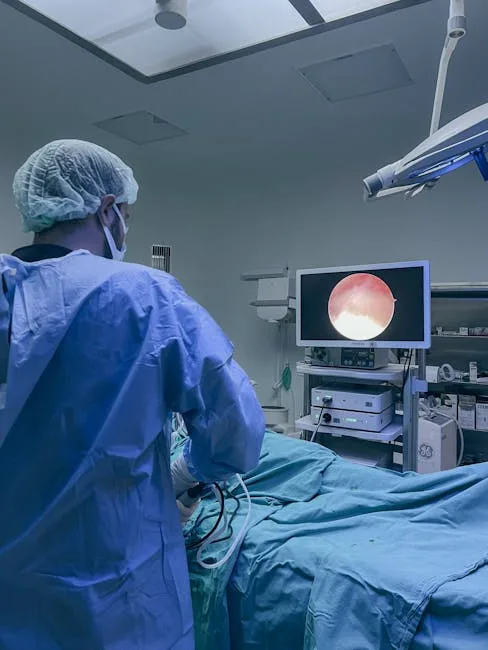
If you are searching hernia mesh side effects years later, you are likely experiencing symptoms long after a hernia repair surgery and are trying to understand why problems are appearing now. Many patients are told that hernia mesh repairs are permanent solutions, yet years later they develop chronic pain, digestive problems, infections, or functional limitations that were never fully explained at the time of surgery.
This article explains why hernia mesh side effects can appear years after implantation, what kinds of delayed complications are medically recognized, how these issues affect daily life and long term health, and why they raise serious legal questions. It is written for patients who are dealing with unexplained symptoms and need clear, realistic information about what may be happening.
What happened and why delayed mesh complications matter
Hernia mesh is designed to reinforce weakened tissue by acting as a permanent implant. Unlike sutures that dissolve, mesh remains inside the body indefinitely. Over time, the body reacts to the mesh as a foreign object, which can lead to chronic inflammation, scarring, and mechanical failure.
Delayed complications matter because many mesh related injuries do not appear immediately after surgery. Patients may feel fine for months or even years before symptoms begin. When problems do surface, they are often severe, progressive, and difficult to treat.
From a medical standpoint, delayed mesh complications are well documented. From a legal standpoint, they raise questions about product safety, long term testing, and whether patients were adequately warned about lifetime risks.
Understanding why symptoms emerge years later is critical to recognizing both medical and legal implications.
Why hernia mesh problems can take years to appear
There are several medical reasons why hernia mesh side effects years later are common.
Mesh gradually integrates into surrounding tissue through scar formation. Over time, this scar tissue can tighten, contract, or distort anatomy, leading to pain or functional limitation.
Chronic inflammation may remain low grade for years before escalating. As tissue reacts to the mesh, nerve irritation or organ involvement can develop slowly.
Mechanical stress plays a role. Normal movement, lifting, and aging place stress on the abdominal wall. Mesh can shift, shrink, or break down under repeated strain.
Mesh materials may degrade over time. Some synthetic meshes undergo chemical changes that increase stiffness or cause fragmentation, which can damage nearby structures.
These processes occur gradually, which is why patients often connect symptoms to the mesh only after years of unexplained discomfort.
Common hernia mesh side effects that appear years later
Delayed mesh complications vary widely but follow recognizable patterns.
Chronic pain
Persistent pain is one of the most reported long term side effects. Pain may be sharp, burning, or aching and can worsen with movement, sitting, or physical activity. Nerve entrapment and scar tissue are common causes.
Mesh migration
Mesh can shift from its original placement years after surgery. Migration may lead to organ damage, bowel obstruction, or internal injury that requires emergency intervention.
Adhesions and organ involvement
Mesh can adhere to intestines, bladder, or other organs. These adhesions may cause digestive issues, urinary problems, or internal bleeding.
Hernia recurrence
Despite mesh implantation, hernias can recur years later. Scar tissue breakdown or mesh failure often contributes to recurrence and additional surgery.
Infection
Chronic mesh infections may smolder for years before becoming obvious. These infections are difficult to treat and often require mesh removal.
These side effects often worsen over time rather than resolve on their own.
How delayed mesh complications affect daily life
Hernia mesh side effects years later often interfere with basic daily functioning.
Chronic pain may limit the ability to work, exercise, or perform household tasks. Many patients reduce activity to avoid pain, leading to deconditioning and secondary health issues.
Digestive problems such as bloating, constipation, nausea, or obstruction can disrupt eating habits and nutrition.
Sleep disturbance is common due to pain and discomfort, which affects mental health and cognitive function.
Sexual function may be affected due to pelvic pain or nerve involvement.
Psychological effects including anxiety, depression, and frustration are common when symptoms persist without clear explanation.
These life impacts are central to both medical treatment planning and legal evaluation.
Why delayed diagnosis is common
Delayed diagnosis of mesh related complications is extremely common. Symptoms are often nonspecific and may mimic gastrointestinal disorders, musculoskeletal pain, or unrelated conditions.
Imaging does not always clearly show mesh problems. Some complications are only identified during exploratory surgery.
Patients may be told symptoms are unrelated to mesh or are part of normal aging, delaying appropriate treatment.
This delay often worsens outcomes and increases the need for complex revision surgery.
Legal significance of hernia mesh side effects years later
From a legal perspective, delayed mesh complications raise important questions.
Manufacturers may be responsible if the mesh was defectively designed, inadequately tested, or known to cause long term harm.
Failure to warn claims focus on whether patients and surgeons were properly informed about lifetime risks.
Delayed injuries do not eliminate legal claims. Many laws recognize that injury discovery may occur years after implantation.
Understanding when symptoms began and how they progressed is essential to evaluating legal options.
Who may be legally responsible
Responsibility for delayed mesh injuries may involve multiple parties.
Mesh manufacturers are often primary defendants in product liability claims.
Distributors and suppliers may share responsibility depending on jurisdiction.
Surgeons or hospitals may be involved if implantation technique or follow up care fell below accepted standards.
Each case requires detailed review of medical records and product history.
Why patients often feel dismissed
Many patients with delayed mesh complications report feeling dismissed or misunderstood by providers. Because symptoms appear years later, the connection to mesh is often questioned.
This can lead to prolonged suffering, delayed treatment, and emotional distress.
Understanding that delayed mesh injuries are medically recognized can help patients advocate for appropriate evaluation and care.
Long term medical consequences of hernia mesh side effects years later
When hernia mesh side effects appear years later, the medical consequences are often far more severe than early postoperative complications. At this stage, the mesh is fully integrated into the body, surrounded by dense scar tissue, and sometimes intertwined with nerves, blood vessels, or organs. This makes treatment more complex and outcomes less predictable.
Many patients require revision surgery years after the original repair. Mesh removal is significantly more dangerous than implantation. Surgeons must carefully dissect scar tissue to avoid damaging intestines, bladder, blood vessels, or nerves. In some cases, complete removal is impossible without causing additional harm, leaving fragments behind that continue to cause pain or inflammation.
Revision surgeries often lead to longer hospital stays, higher complication rates, and prolonged recovery periods. Some patients require multiple surgeries over several years, each carrying increased risk. Bowel resection, chronic infections, fistula formation, and permanent nerve damage are not uncommon in advanced cases.
For some patients, the damage is irreversible. Chronic pain syndromes, permanent digestive dysfunction, or abdominal wall weakness may persist for life. These outcomes fundamentally change long term health trajectories and require ongoing medical management.
Chronic pain and nerve damage as lifelong conditions
Chronic pain caused by hernia mesh is not simply discomfort. It can become a debilitating condition that dominates daily life. Nerve entrapment occurs when mesh or scar tissue compresses or irritates nerves over time. This can cause burning pain, stabbing sensations, numbness, or hypersensitivity that does not respond to standard pain treatment.
Pain may worsen with routine movements such as bending, sitting, standing, coughing, or lifting. Many patients alter posture or movement patterns to avoid pain, which can lead to secondary musculoskeletal issues, including back and hip problems.
Long term pain management often involves medications, injections, nerve blocks, or neuromodulation therapies. Some patients become dependent on pain medication, which introduces additional health risks and side effects. Others live with uncontrolled pain that limits work, sleep, and social interaction.
From both a medical and legal standpoint, chronic pain years after mesh implantation is a major indicator of serious injury and significantly increases the severity of a case.
Digestive and organ related complications
Hernia mesh side effects years later frequently involve the digestive system. Adhesions between the mesh and intestines can restrict bowel movement, leading to chronic constipation, bloating, abdominal distension, and recurrent bowel obstruction.
In severe cases, mesh erosion into the bowel can cause perforation, internal bleeding, or infection. These events often require emergency surgery and can be life threatening. Even after surgical intervention, patients may experience permanent digestive changes, including malabsorption, altered bowel habits, or dependence on dietary restrictions.
Urinary and reproductive organs may also be affected. Mesh involvement with the bladder can cause pain, recurrent infections, or difficulty urinating. Pelvic nerve involvement can affect sexual function and reproductive health.
These organ related complications are often progressive and may not fully resolve even with aggressive treatment.
Psychological and emotional impact over time
Living with unexplained or worsening symptoms for years has a profound psychological impact. Many patients experience anxiety related to unpredictable pain or fear of sudden medical emergencies. Depression is common, especially when symptoms interfere with work, relationships, and independence.
Patients often report frustration and loss of trust in medical providers, particularly if their concerns were dismissed for years. This emotional distress can worsen physical symptoms and contribute to sleep disorders, social withdrawal, and reduced quality of life.
Mental health treatment, including counseling or medication, is frequently necessary. These psychological injuries are real, measurable, and legally compensable when linked to mesh related harm.
Economic and life consequences beyond medical treatment
Hernia mesh side effects years later often disrupt financial stability. Many patients reduce work hours, change careers, or stop working altogether due to pain or physical limitations. Lost income accumulates over years, not just during recovery periods.
Out of pocket medical expenses grow steadily. Travel for specialist care, pain management, physical therapy, and medical devices add financial pressure. Insurance coverage may be limited for revision surgeries or long term treatments.
Family members may need to provide ongoing care, affecting household income and dynamics. Long term disability planning becomes necessary for some patients.
These economic consequences are central to understanding the true impact of delayed mesh injuries.
Table 1: Hernia mesh side effects years later and long term outcomes
| Side effect | Typical progression | Long term outcome | Legal significance |
| Chronic pain | Gradual worsening | Permanent impairment | High non economic damages |
| Mesh migration | Delayed onset | Organ damage | Surgical liability |
| Adhesions | Progressive | Bowel dysfunction | Emergency intervention |
| Chronic infection | Smoldering | Mesh removal required | Increased case value |
| Hernia recurrence | Late failure | Multiple surgeries | Ongoing damages |
| Nerve damage | Persistent | Lifelong pain | Permanent disability |
Why hernia mesh side effects often lead to lawsuits
Hernia mesh litigation exists because many of these injuries were foreseeable. Manufacturers marketed mesh as a permanent solution while downplaying or failing to adequately warn about long term risks.
Internal studies, adverse event reports, and post market data often revealed complications years before patients experienced symptoms. When warnings did not reflect these risks, patients were deprived of informed consent.
From a legal standpoint, delayed injury does not eliminate accountability. Many legal systems recognize that injury discovery may occur years after exposure to a defective product. The key issues become when the injury was discovered and whether reasonable warnings were provided.
Statute of limitations and delayed discovery
One of the most common concerns for patients experiencing hernia mesh side effects years later is whether it is too late to take legal action.
In many cases, the legal clock does not start at the time of surgery. Instead, it begins when the patient knew or reasonably should have known that the mesh caused their injury. This is known as the discovery rule.
Medical records, symptom timelines, and diagnostic findings play a critical role in determining eligibility. Delayed diagnosis often strengthens rather than weakens legal claims when it can be shown that symptoms were previously unexplained.
Evidence that supports delayed mesh injury claims
Strong evidence is essential in delayed mesh cases.
Operative reports establish what type of mesh was used and how it was implanted. Imaging studies document migration, adhesion, or organ involvement. Revision surgery records demonstrate severity and progression.
Pain management records, specialist evaluations, and long term treatment documentation show the persistence and impact of symptoms.
Expert medical testimony connects delayed complications to the mesh rather than unrelated conditions.
Without thorough documentation, insurers and defendants often argue that symptoms are unrelated or due to aging.
Table 2: Evidence critical in delayed hernia mesh cases
| Evidence type | Purpose | Common challenges |
| Original surgery records | Identify mesh | Records hard to obtain |
| Imaging studies | Show complications | Mesh visibility limits |
| Revision surgery reports | Prove severity | Incomplete documentation |
| Pain management notes | Establish chronicity | Treatment gaps |
| Expert opinions | Prove causation | Late expert review |
How Loncar Lyon Jenkins approaches delayed hernia mesh cases
Loncar Lyon Jenkins approaches cases involving hernia mesh side effects years later with detailed medical and product analysis. The firm investigates product design, manufacturer warnings, and long term risk data alongside individual medical histories.
Loncar Lyon Jenkins works with medical experts to explain delayed injury mechanisms and establish causation clearly. Manufacturers and insurers are challenged when they attempt to dismiss late appearing injuries as unrelated.
Clients are supported through complex litigation with transparency and focus on accountability, compensation, and long term security.
Frequently asked questions
Can hernia mesh cause problems years later
Yes. Delayed complications are medically recognized and common.
Why were risks not explained earlier
Warnings often failed to reflect long term data.
Is mesh removal always possible
No. Removal can be partial or impossible without harm.
Does chronic pain qualify as a serious injury
Yes, especially when permanent.
Can symptoms worsen over time
Yes. Many complications are progressive.
Is it too late to file a claim
Not necessarily. Discovery timing matters.
Do all mesh types cause problems
No, but some have higher risk profiles.
Are multiple surgeries common
Yes in severe cases.
Does infection appear years later
Yes, chronic infections are documented.
When should legal help be considered
When symptoms persist, worsen, or require revision surgery.
Conclusion
Hernia mesh side effects years later are often severe, progressive, and life altering. Chronic pain, organ damage, infections, and repeated surgeries can emerge long after patients were told their repair was complete.
Loncar Lyon Jenkins represents individuals harmed by delayed hernia mesh complications and pursues accountability when long term risks were not adequately disclosed or prevented.
