
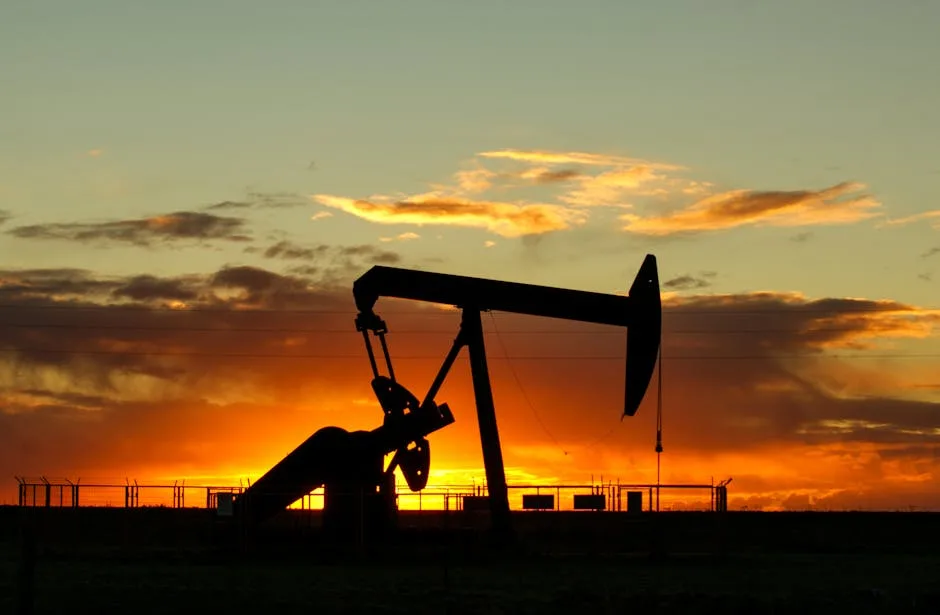
An oil rig explosion is one of the most catastrophic industrial accidents that can occur. These explosions happen suddenly, escalate rapidly, and leave workers with life-altering injuries or worse. Unlike many workplace incidents, an oil rig explosion often involves fire, extreme pressure, toxic chemicals, and structural collapse, all occurring at once. The result is devastation not only for injured workers, but also for their families and entire communities.
Oil rigs are inherently dangerous environments. Workers operate heavy machinery, handle flammable materials, and work long shifts under extreme conditions. When safety systems fail or companies prioritize production over protection, the consequences can be deadly. Understanding how an oil rig explosion occurs and the types of injuries that follow, is the first step toward accountability and recovery.
What Is an Oil Rig Explosion?
An oil rig explosion occurs when volatile gases, vapors, or combustible materials ignite due to equipment failure, human error, or safety violations. These explosions can take place on offshore rigs, land-based drilling sites, refineries, and production platforms.
What makes an oil rig explosion especially dangerous is the combination of factors involved:
- High-pressure drilling operations
- Flammable gases such as methane
- Electrical systems operating near combustible materials
- Confined workspaces
- Remote locations with delayed emergency response
When an explosion occurs, workers may be exposed to blast force, fire, falling debris, chemical exposure, and collapsing structures, often simultaneously.
Common Causes of an Oil Rig Explosion
Loncar Lyon Jenkins is aware that oil rig explosions rarely happen because of a single mistake. Most incidents are the result of multiple failures across equipment, procedures, and management decisions.
Equipment Failure
Faulty or poorly maintained equipment is one of the leading causes of an oil rig explosion. Rigs rely on complex systems designed to control pressure and prevent gas release. When these systems fail, pressure can build rapidly and ignite.
Common equipment failures include:
- Malfunctioning blowout preventers
- Corroded or cracked pipelines
- Defective valves or seals
- Electrical system failures
In many cases, warning signs are present long before the explosion, but maintenance is delayed to avoid downtime.
Gas Leaks and Ignition
Oil rigs routinely release flammable gases during drilling and production. When gas detection systems fail or leaks are ignored, dangerous concentrations can build up.
An oil rig explosion can occur when:
- Gas sensors are disabled or malfunctioning
- Ventilation systems fail
- Workers are not trained to respond to leak alarms
- Sparks from equipment ignite accumulated vapors
A single spark can be enough to trigger a massive explosion.
Human Error and Fatigue
Oil rig workers often work extended shifts in harsh environments. Fatigue, stress, and inadequate training increase the likelihood of mistakes.
Human errors that may contribute to an oil rig explosion include:
- Improper handling of flammable materials
- Failure to follow shutdown or lockout procedures
- Misreading pressure gauges or safety indicators
- Skipping safety checks under production pressure
When companies fail to enforce rest periods and training standards, the risk rises dramatically.
Poor Safety Management
Many oil rig explosions stem from systemic safety failures rather than isolated incidents. Investigations often reveal patterns of negligence, such as:
- Inadequate safety training
- Failure to conduct emergency drills
- Ignoring prior safety violations
- Lack of enforcement of safety protocols
Management decisions that prioritize output over worker safety frequently play a major role.
Injuries Caused by an Oil Rig Explosion
The injuries caused by an oil rig explosion are often severe, permanent, and life-changing. Survivors may face years of medical treatment and rehabilitation.
Severe Burn Injuries
Burns are among the most common injuries following an oil rig explosion. Victims may suffer:
- Second-degree burns causing blistering and tissue damage
- Third-degree burns destroying skin, nerves, and muscle
Severe burns often require skin grafts, reconstructive surgery, and long-term wound care. Scarring and disfigurement are common and can limit mobility.
Traumatic Brain Injuries
The force of an oil rig explosion can throw workers into machinery or structures. Even with protective gear, head injuries are common.
Traumatic brain injuries may cause:
- Memory loss
- Cognitive impairment
- Personality changes
- Difficulty concentrating
Some brain injuries do not show immediate symptoms, making early medical evaluation critical.
Spinal Cord and Orthopedic Injuries
Explosions frequently cause falls from heights or crushing injuries. These can result in:
- Herniated or fractured vertebrae
- Partial or complete paralysis
- Chronic back and neck pain
Many victims are unable to return to physically demanding work after these injuries.
Chemical Exposure and Respiratory Damage
An oil rig explosion may release toxic smoke and chemicals. Inhalation can lead to:
- Chronic lung disease
- Chemical burns to airways
- Long-term respiratory impairment
Some exposure-related conditions develop slowly, complicating diagnosis and claims.
Psychological Trauma
Survivors of an oil rig explosion often experience psychological injuries, including:
- Post-traumatic stress disorder
- Anxiety and depression
- Sleep disturbances
- Fear of returning to work
Mental health injuries can be just as disabling as physical ones.
Who Is at Risk During an Oil Rig Explosion?
Those affected by an oil rig explosion may include:
- Drilling and production workers
- Maintenance and inspection crews
- Contractors and third-party vendors
- Supervisors and safety personnel
- Rescue and emergency responders
In offshore incidents, escape options are limited, increasing the risk of fatalities.
Why Oil Rig Explosion Cases Are Complex
Oil rig explosion cases are far more complex than standard workplace injury claims. Multiple entities may be involved, such as:
- Rig owners
- Operating companies
- Equipment manufacturers
- Maintenance contractors
Each party may attempt to shift blame, making investigation and accountability difficult.
An oil rig explosion can change lives in seconds. From severe burns and spinal injuries to lasting psychological trauma, the consequences extend far beyond the initial blast. Understanding how these explosions occur and the injuries they cause is essential for injured workers and families seeking answers.
Oil Rig Explosion Claims: Liability, Compensation, and Legal Action
After an oil rig explosion, injured workers and grieving families are often left searching for answers. Medical emergencies, permanent disabilities, lost income, and emotional trauma collide all at once. While companies move quickly to protect themselves, workers are forced to navigate a complex legal and insurance system during the most difficult time of their lives.
Unlike minor workplace accidents, an oil rig explosion is rarely unavoidable. These incidents are frequently linked to negligence, safety violations, or cost-cutting decisions that put production ahead of human life. Understanding who can be held responsible and what compensation may be available is critical for protecting long-term financial stability.
Legal Responsibility After an Oil Rig Explosion
Determining liability after an oil rig explosion requires a detailed investigation. Multiple parties may be involved, each with overlapping responsibilities. Companies often attempt to shift blame to avoid financial accountability, which makes identifying responsible parties especially important.
Oil Rig Owners and Operators
The owner or operator of an oil rig has a legal duty to provide a reasonably safe work environment. Liability may arise when operators:
- Fail to properly maintain equipment
- Ignore known safety hazards
- Allow unsafe drilling practices
- Disable or bypass safety systems
- Pressure crews to continue operations despite risks
Internal reports and prior safety violations often play a key role in establishing negligence.
Oil and Gas Corporations
Large oil and gas companies may be liable even if they do not directly operate the rig. Corporate liability can arise when companies:
- Set unsafe production quotas
- Cut safety budgets
- Fail to enforce compliance across contractors
- Ignore regulatory requirements
Corporate decisions made far from the rig site often contribute directly to dangerous conditions.
Contractors and Subcontractors
Many oil rigs rely heavily on third-party contractors for maintenance, inspections, drilling, and equipment installation. These contractors may be liable if they:
- Perform improper repairs
- Miss critical safety issues during inspections
- Use defective or incompatible parts
- Fail to train workers adequately
In many oil rig explosion cases, contractor negligence is uncovered during post-incident investigations.
Equipment Manufacturers and Suppliers
When defective equipment contributes to an oil rig explosion, manufacturers and suppliers may be held responsible. This includes defects involving:
- Blowout preventers
- Pressure control systems
- Valves and seals
- Electrical components
Liability may arise from design defects, manufacturing flaws, or failure to warn about known dangers.
Offshore Oil Rig Explosions and Maritime Law
Oil rig explosions that occur offshore are often governed by maritime law rather than traditional workers’ compensation systems. These laws can significantly impact the rights and compensation available to injured workers.
Depending on the worker’s role and location, claims may involve:
- Maintenance and cure benefits
- Negligence claims against vessel owners
- Actions under maritime statutes
Maritime cases are highly technical and require careful analysis of employment status and job duties.
Workers’ Compensation vs. Third-Party Claims
Many injured workers assume workers’ compensation is their only option. While workers’ compensation may provide limited benefits, it often does not cover the full scope of losses caused by an oil rig explosion.
Limitations of Workers’ Compensation
Workers’ compensation typically does not include:
- Pain and suffering
- Full wage replacement
- Long-term loss of earning capacity
- Emotional distress
Benefits may also end before a full recovery is achieved.
Third-Party Lawsuits
If a party other than the direct employer contributed to the oil rig explosion, injured workers may pursue a third-party claim. These lawsuits can allow recovery for:
- Full medical expenses
- Lost income and future earnings
- Pain and suffering
- Permanent disability
- Disfigurement and scarring
Third-party claims are often the primary means of obtaining meaningful compensation after catastrophic injuries.
Compensation Available After an Oil Rig Explosion
The financial impact of an oil rig explosion can last a lifetime. Compensation should account for both immediate costs and future consequences.
Medical Expenses
Compensation may include payment for:
- Emergency transport and trauma care
- Burn treatment and reconstructive surgery
- Hospitalization and ICU stays
- Physical therapy and rehabilitation
- Prescription medications
- Ongoing medical monitoring
Severe injuries often require lifelong care.
Lost Wages and Reduced Earning Capacity
Oil rig workers often earn high wages due to the demanding nature of the job. Compensation may address:
- Income lost during recovery
- Reduced ability to return to prior work
- Loss of future promotions or career advancement
- Permanent inability to work in the oil and gas industry
Economic experts are often used to calculate long-term losses.
Pain, Suffering, and Emotional Distress
‘Loncar Lyon Jenkins looks for non-economic damages that recognize the human cost of an oil rig explosion, including:
- Chronic physical pain
- Emotional trauma and PTSD
- Depression and anxiety
- Loss of enjoyment of life
- Impact on family relationships
These damages are often significant in catastrophic injury cases.
Disfigurement and Permanent Disability
Burns, amputations, and spinal injuries frequently result in permanent physical changes. Compensation may reflect:
- Visible scarring
- Loss of mobility
- Loss of independence
- Need for assistive devices
Permanent injuries affect every aspect of daily life.
Wrongful Death Compensation
When an oil rig explosion results in death, surviving family members may pursue wrongful death claims. Compensation may include:
- Funeral and burial expenses
- Loss of financial support
- Loss of companionship and guidance
- Emotional pain and suffering
Families may also recover damages for the decedent’s conscious pain and suffering before death.
How Oil Companies Defend Oil Rig Explosion Claims
Oil companies and insurers act quickly after an explosion to limit liability. Common defense tactics include:
- Blaming injured workers for safety violations
- Arguing injuries were pre-existing
- Minimizing the severity of injuries
- Destroying or altering evidence
- Pressuring victims to accept early settlements
These tactics highlight the importance of immediate legal action.
The Importance of Immediate Investigation
Evidence in oil rig explosion cases can disappear quickly. A strong case depends on early investigation, including:
- Securing the accident scene
- Preserving damaged equipment
- Reviewing maintenance and inspection records
- Collecting witness statements
- Consulting engineering and safety experts
Delays can severely weaken a claim.
Regulatory Violations and Safety Standards
Oil rigs are subject to strict safety regulations. Violations of these standards often support claims of negligence. Common violations include:
- Failure to conduct safety drills
- Inadequate emergency response plans
- Improper equipment inspections
- Ignoring hazard warnings
Regulatory findings can be powerful evidence.
Statutes of Limitation and Legal Deadlines
Oil rig explosion claims are governed by strict deadlines. Missing these deadlines can permanently bar recovery. Time limits vary depending on:
- Location of the explosion
- Applicable state or maritime law
- Type of claim being pursued
Early legal guidance ensures compliance with all deadlines.
Long-Term Impact on Workers and Families
The consequences of an oil rig explosion extend far beyond the initial injury. Many victims experience:
- Financial instability
- Long-term medical dependency
- Strain on marriages and families
- Loss of identity tied to work
Compensation plays a critical role in rebuilding stability.
Accountability and Industry Safety
Legal action after an oil rig explosion does more than compensate victims. It also:
- Forces companies to address unsafe practices
- Encourages compliance with safety regulations
- Helps prevent future explosions
- Protects future workers
Holding negligent parties accountable can save lives.
Conclusion: Protecting Your Rights After an Oil Rig Explosion
An oil rig explosion is not just an accident; it is often the result of preventable failures and ignored warnings. Injured workers and families deserve answers, accountability, and full compensation for the harm they have suffered.
Taking prompt legal action after an oil rig explosion protects evidence, strengthens claims, and ensures responsible parties are held accountable. While no legal outcome can undo the trauma, it can provide financial security, access to medical care, and a path forward.
