













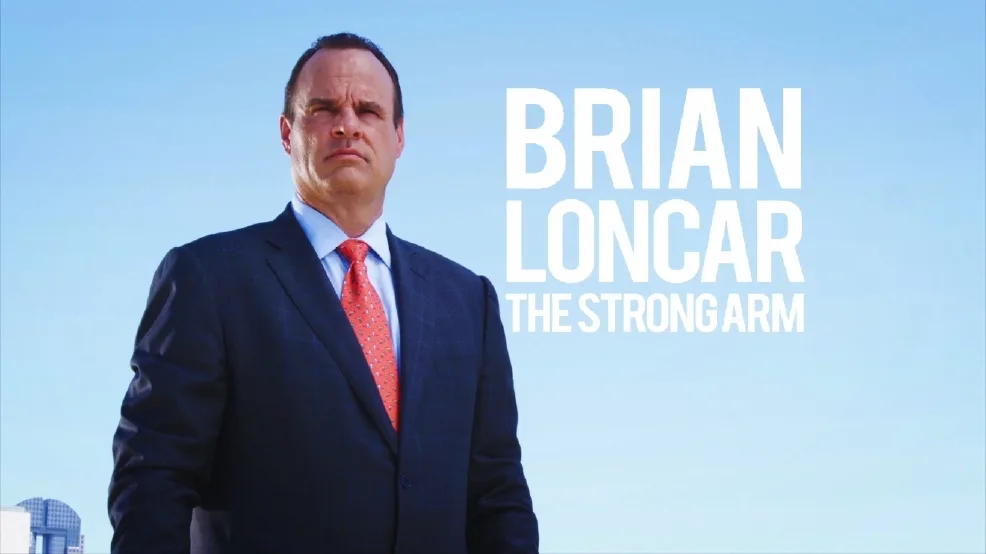
When it comes to personal injury law in Texas, few names carry as much weight as Brian Loncar. Throughout his career, Brian Loncar became synonymous with aggressive representation, strategic litigation, and a client-centered approach that set a benchmark for personal injury attorneys across the state. His work transformed the way serious injury cases are investigated, negotiated, and tried, leaving a lasting legacy for both the legal community and the countless clients whose lives he impacted.
In this comprehensive guide, we explore the career and philosophy of Brian Loncar, the types of cases he handled, the legal principles he championed, and why his approach continues to influence injury law in Texas today. This article also provides valuable insights for anyone pursuing a personal injury claim, highlighting lessons from Brian Loncar’s decades of experience.
Who Brian Loncar Was and Why His Name Matters
Brian Loncar built his reputation not by following the conventional path, but by challenging the norms of personal injury litigation. Early in his career, he recognized that injured individuals often faced powerful insurance companies and large corporations with far greater resources. Brian Loncar’s strategy was simple but effective: thorough preparation, meticulous evidence gathering, and unwavering courtroom advocacy.
Career Highlights
Over several decades, Brian Loncar handled thousands of personal injury and wrongful death cases across Texas. His focus was primarily on catastrophic injuries, commercial truck accidents, workplace injuries, and complex car crashes. In each case, Brian Loncar demanded accountability and ensured that victims received compensation reflective of the true impact of their injuries.
One of the hallmarks of his career was his ability to take difficult cases that other attorneys avoided. From multi-vehicle highway pileups to industrial accidents with multiple liable parties, Brian Loncar consistently demonstrated that thorough preparation and a deep understanding of Texas law could level the playing field for victims.
Legal Philosophy: Preparation, Advocacy, and Client Focus
Brian Loncar believed that preparation created power. Whether negotiating with insurance adjusters or presenting a case before a jury, meticulous planning allowed him to anticipate arguments, counter strategies, and protect clients’ rights effectively.
This philosophy extended beyond legal tactics. Brian Loncar prioritized building strong relationships with clients, understanding the personal, financial, and emotional toll of severe injuries. He approached each case with empathy and a commitment to achieving justice, ensuring that clients felt supported throughout the often-complex legal process.
Reputation and Statewide Impact
Brian Loncar’s approach earned him the reputation of a “strong arm” in the courtroom. Insurance companies and corporate defendants quickly learned that low settlement offers or tactics to diminish claims would not work when Brian Loncar was involved. Beyond individual victories, his work influenced the personal injury field in Texas, encouraging a more thorough and client-focused approach among his peers.
Common Personal Injury Cases Brian Loncar Handled
Brian Loncar’s career encompassed a wide range of personal injury cases, each with its own unique challenges and legal considerations. Understanding these cases helps illustrate both the complexity of his work and the depth of his expertise.
Motor Vehicle Accidents
Car, truck, and motorcycle accidents represented a significant portion of Brian Loncar’s cases. High-speed collisions, commercial truck crashes, and multi-vehicle pileups frequently resulted in catastrophic injuries, including traumatic brain injuries, spinal cord damage, and permanent disability.
For example, in one case, a commercial truck failed to brake in time, causing a multi-car accident on a Texas interstate. Brian Loncar’s team investigated vehicle maintenance records, driver logs, and accident reconstruction reports to identify liability across multiple parties, including the trucking company and third-party maintenance providers. His strategy ensured the victims received compensation covering medical expenses, lost income, and long-term rehabilitation needs.
Workplace and Industrial Injuries
Texas industries such as construction, oil and gas, and manufacturing pose significant risks. Brian Loncar frequently represented workers who were injured due to unsafe working conditions, faulty equipment, or employer negligence.
In one instance, an industrial accident involving a malfunctioning crane resulted in severe orthopedic injuries for the victim. Brian Loncar collaborated with safety inspectors, mechanical engineers, and medical professionals to establish negligence and demonstrate the extent of financial and physical damages, ultimately securing a settlement that accounted for lifelong care.
Wrongful Death Claims
When negligence results in a fatality, families face both emotional devastation and financial hardship. Brian Loncar approached wrongful death claims with sensitivity and determination, ensuring families received both justice and financial security.
In cases involving traffic accidents, industrial mishaps, or unsafe premises, Brian Loncar identified all responsible parties and pursued claims for lost wages, medical expenses, funeral costs, and emotional damages, providing families with comprehensive support during an unimaginable time.
Premises Liability Cases
Slip-and-fall accidents, negligent security incidents, and unsafe property conditions also fell within Brian Loncar’s expertise. He consistently held property owners accountable for preventable hazards, emphasizing the importance of safety and compliance with Texas premises liability laws.
Understanding Texas Personal Injury Law
Personal injury law in Texas revolves around the concept of negligence. To successfully recover damages, plaintiffs must establish that the defendant owed a duty of care, breached that duty, and caused damages as a direct result. Brian Loncar’s career illustrates how meticulous application of these principles can maximize recovery.
Principles of Negligence and Liability
Negligence requires four key elements: duty, breach, causation, and damages. Brian Loncar’s approach emphasized collecting comprehensive evidence for each element:
- Duty: Demonstrating the responsible party had a legal obligation to act safely.
- Breach: Showing how that obligation was violated through actions or inactions.
- Causation: Connecting the breach directly to the injuries sustained.
- Damages: Quantifying the physical, emotional, and financial harm caused.
Comparative Fault in Texas
Texas uses a modified comparative fault system, which reduces compensation proportionally to a victim’s share of responsibility. If a victim is found more than 50% at fault, they cannot recover damages. Insurance companies frequently exploit this rule to shift blame. Brian Loncar’s careful investigation and evidence collection ensured that his clients’ fault was minimized or eliminated, protecting their rights to full recovery.
Statute of Limitations
Filing deadlines are critical in personal injury cases. Most claims in Texas must be filed within two years of the incident, although exceptions exist for minors, government entities, and delayed injury discovery. Brian Loncar prioritized timely action to safeguard clients’ legal rights and avoid dismissals due to procedural errors.
Types of Injuries and Damages
The injuries Brian Loncar handled were often catastrophic, requiring careful assessment of both immediate and long-term impacts.
Traumatic Brain Injuries
Brain injuries can permanently affect cognition, memory, personality, and emotional stability. Brian Loncar worked closely with neurologists and rehabilitation specialists to document the severity of injuries and the projected lifelong care required.
Spinal Cord and Back Injuries
Spinal injuries frequently result in partial or total paralysis. These cases require complex planning for medical expenses, adaptive equipment, and long-term care. Brian Loncar ensured these needs were fully considered in both settlement and trial strategies.
Severe Orthopedic Injuries
Crush injuries, multiple fractures, and joint damage often end careers and reduce quality of life. Brian Loncar treated these injuries as long-term conditions, calculating damages that reflected future medical care and diminished earning capacity.
Emotional and Psychological Harm
Beyond physical injuries, Brian Loncar recognized the importance of addressing emotional trauma, including depression, anxiety, and post-traumatic stress. These non-economic damages were carefully documented and presented to ensure comprehensive compensation.
Lost Income and Financial Damages
Lost wages, reduced earning capacity, and out-of-pocket expenses are critical components of any personal injury case. Brian Loncar calculated these damages with financial experts to ensure victims could maintain stability despite severe injuries.
Injury Severity and Long-Term Impact Comparison
| Injury Type | Short-Term Effects | Long-Term Consequences |
| Traumatic brain injury | Headaches, confusion | Cognitive impairment, personality changes |
| Spinal cord injury | Pain, limited movement | Partial or total paralysis |
| Multiple fractures | Surgery, immobility | Chronic pain, arthritis, disability |
| Internal injuries | Hospitalization, monitoring | Long-term medical care, organ damage |
Establishing Fault and Investigations
A hallmark of Brian Loncar’s success was his focus on thorough investigation. Liability in personal injury cases is rarely straightforward.
Gathering Evidence
Police reports, medical records, photographs, witness statements, and vehicle data were all meticulously collected. Early evidence gathering ensured that nothing critical was lost or forgotten.
Identifying All Responsible Parties
Many accidents involve multiple parties, including drivers, employers, manufacturers, and contractors. Brian Loncar’s approach ensured every potential defendant was identified, preventing claims from being prematurely limited.
Accident Reconstruction and Expert Testimony
Complex cases often required engineering and accident reconstruction experts. Brian Loncar leveraged expert testimony to clarify how accidents occurred and who was responsible, strengthening both negotiation and trial outcomes.
Overcoming Insurance Tactics
Insurance companies frequently attempt to minimize payouts by disputing fault or injury severity. Brian Loncar countered these tactics with evidence, documentation, and trial-ready strategies, ensuring clients were not shortchanged.
Insurance Challenges and Legal Strategy
Insurance companies are powerful opponents in personal injury cases. Brian Loncar’s strategic approach involved anticipating and countering common tactics.
Low Settlement Offers
Insurers often make early, low offers before injuries fully manifest. Brian Loncar advised clients to avoid accepting insufficient settlements, emphasizing long-term financial security over immediate but inadequate relief.
Underinsured or Uninsured Drivers
When at-fault drivers lack coverage, claims become more complex. Brian Loncar explored all available options, including uninsured motorist coverage and third-party claims, to secure full compensation.
Bad Faith Practices
Some insurers act in bad faith by delaying, denying, or undervaluing valid claims. Brian Loncar pursued legal remedies to hold insurers accountable, sending a message that unfair practices would face consequences.
Trial Preparedness
Every case was prepared for trial, even if settlement remained possible. This approach increased negotiation leverage and ensured that defendants understood the seriousness of each claim.
Compensation and Recovery
Financial recovery addresses both current and future losses. Brian Loncar’s strategy ensured all damages were considered.
Economic Damages
Medical expenses, rehabilitation costs, lost wages, and future earning capacity formed the backbone of economic damages. Detailed financial analyses ensured victims could maintain stability.
Non-Economic Damages
Pain, suffering, emotional trauma, and reduced quality of life were carefully documented. Brian Loncar’s presentation of these damages often helped juries understand the human impact of injuries.
Punitive Damages
In cases involving gross negligence or intentional misconduct, punitive damages were pursued. These damages punish wrongdoing and deter future harm.
Compensation Categories Overview
| Damage Category | Examples | Purpose |
| Medical expenses | Hospital bills, surgery, therapy | Covers short- and long-term care |
| Lost income | Missed wages, future earnings | Supports financial stability |
| Pain and suffering | Physical and emotional harm | Reflects reduced quality of life |
| Punitive damages | Gross negligence or recklessness | Promotes accountability |
What Injured Victims Can Learn From Brian Loncar’s Approach
Brian Loncar’s legacy teaches several lessons for injured Texans today:
- Act quickly after an injury: Early evidence and medical records are critical.
- Document everything: Photos, videos, and detailed notes strengthen claims.
- Consider long-term impacts: Many injuries worsen over time, affecting future care and income.
- Demand accountability: Settling too early or accepting low offers can jeopardize long-term recovery.
Why Brian Loncar’s Influence Still Matters
Although Brian Loncar is no longer practicing, his philosophy continues to influence personal injury law. His emphasis on preparation, evidence, and client-centered advocacy set a standard many attorneys continue to follow. Texans benefit from this approach through more thorough investigations, fairer settlements, and stronger representation in court.
Continuing the Legacy
Legal professionals inspired by Brian Loncar maintain the principles of aggressive advocacy and strategic planning, ensuring that injured victims receive the attention, care, and justice they deserve.
Conclusion: Protect Your Rights With Lessons From Brian Loncar
Serious injuries demand serious representation. Brian Loncar demonstrated that meticulous preparation, relentless advocacy, and an unwavering focus on clients can dramatically influence case outcomes.
For Texans facing life-altering injuries, the lessons associated with Brian Loncar are clear: act quickly, document thoroughly, consider long-term impacts, and seek representation that will fight for every aspect of your recovery. Following these principles increases the likelihood of achieving justice and securing financial stability during challenging times.
Brian Loncar’s legacy is more than legal victories; it is a blueprint for advocating on behalf of those whose lives have been upended by negligence. Loncar Lyon Jenkins applies his methods, which can make all the difference.